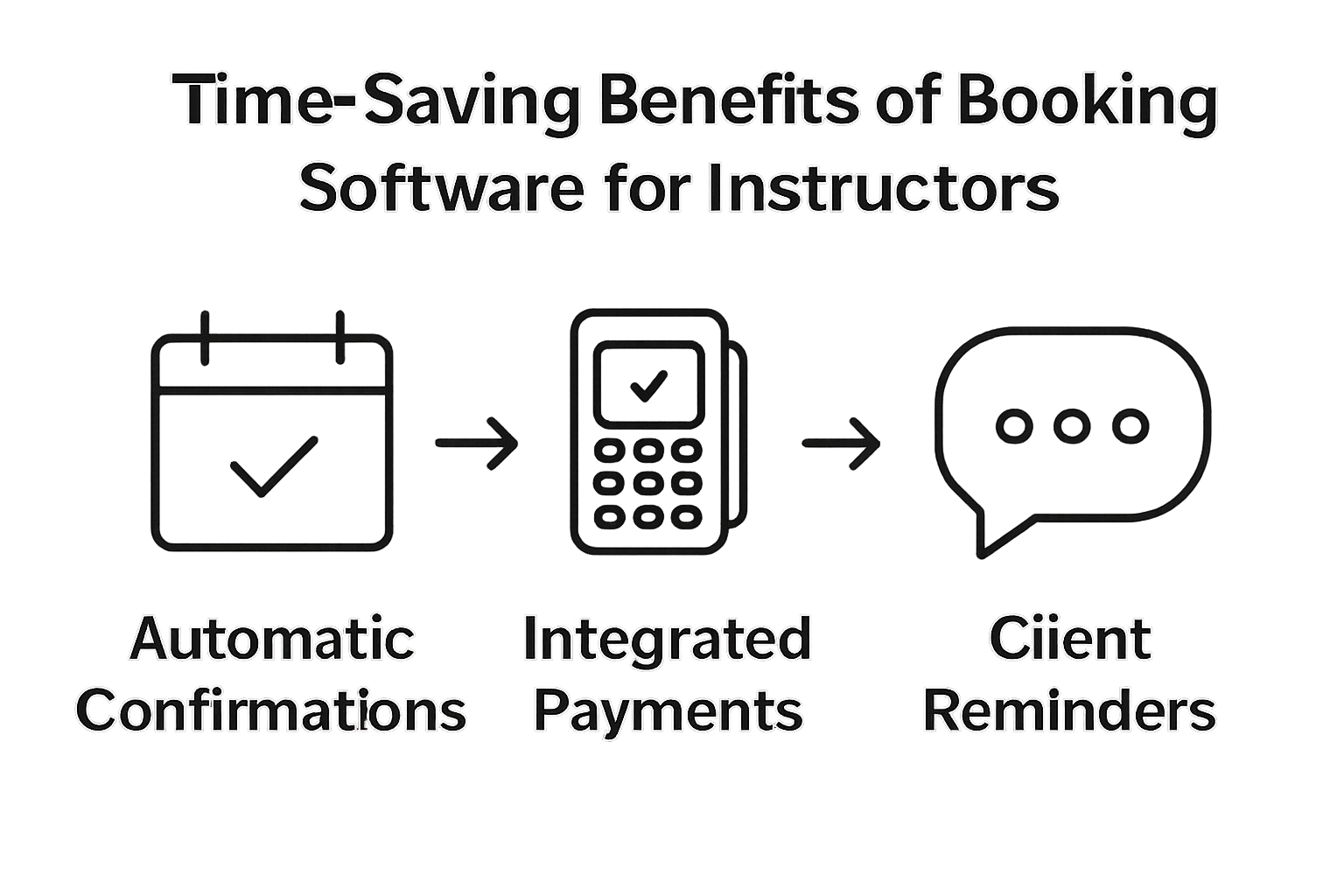
Revolutionise Your Fitness Classes with QR Code Check-in

Revolutionise Your Fitness Classes with QR Code Check-in

Say goodbye to chaotic class check-ins and hello to a world where QR code check-in transforms your fitness classes. Imagine saving time and focusing more on teaching, while streamlining your class management. With Classta.co, this dream becomes reality. This AI-powered class booking platform brings ease to your daily operations, making attendance tracking a breeze. Get ready to discover how Classta can simplify your workload and expand your client base. Explore Classta.co today and transform your class management with our QR code check-in feature!

Benefits of QR Code Check-in

QR code check-in can significantly improve the experience of managing fitness classes. This section will explore how it saves time, enhances organisation, and allows instructors to concentrate on teaching.

Save Time and Stay Organised

QR code check-in simplifies the administrative side of class management. By scanning a code, participants can quickly register their attendance, eliminating the need for manual sign-in sheets. This efficiency means instructors can start classes on time, reducing delay and frustration.

Being organised is crucial for any successful class. QR codes help maintain accurate records, which is vital for tracking trends and managing client data. This technology allows for easy retrieval of attendance information, ensuring that records are always up-to-date.

Instructors can enjoy the benefits of an automated system that doesn’t require constant oversight. With less time spent on paperwork, they can focus on what matters most: delivering quality fitness experiences to their clients.

Focus More on Teaching

Instructors often juggle multiple tasks, from managing attendance to ensuring everyone is engaged. With a QR code check-in, the administrative burden is reduced, allowing more focus on teaching and client interaction.

Quality time with clients can greatly enhance their experience and retention. By reducing the distraction of administrative tasks, instructors can create more engaging and effective sessions.

This increased focus allows instructors to craft a better learning environment, fostering stronger relationships and improving overall satisfaction. The result is a more personalised and attentive experience for every participant.

Enhance Class Experience

The integration of QR codes can transform the overall class experience. Clients appreciate a smooth, hassle-free check-in process, which sets a positive tone for the session.

A streamlined system signals professionalism and organisation, making a strong impression. Clients are more likely to return to classes that are well-managed and efficient.

This improvement in experience can lead to increased client loyalty and word-of-mouth referrals, ultimately growing your business. A simple QR code can make a significant difference in how your classes are perceived.

Simplifying Class Management

Manag

ing classes becomes a breeze with QR code check-in. This section delves into how it streamlines attendance tracking, eases scheduling, and boosts client engagement.

Streamlined Attendance Tracking

Attendance tracking becomes seamless with QR codes. Instructors can instantly record who attended each class, which is especially critical for managing memberships and packages.

Ease of use makes QR codes an attractive option. Scanning is fast and accurate, minimising errors often associated with manual entry. This accuracy is beneficial for both instructors and clients, fostering trust in the process.

An automated system provides a comprehensive overview of attendance patterns. Instructors can identify peak times, popular classes, and client preferences, helping tailor offerings to meet demand effectively.

Automated Scheduling Ease

Automated scheduling is a game-changer in fitness class management. With systems like Classta.co, instructors can set up classes without the constant back-and-forth of manual booking.

  1. Set your class schedule on the platform.

  2. Allow clients to book their slots by simply scanning a QR code.

  3. Receive notifications when slots fill up or if there are any changes.

This automation reduces time spent coordinating schedules, allowing instructors to focus on enhancing the class experience. Clients enjoy the simplicity of booking their spot with minimal effort, increasing overall satisfaction.

Boost Client Engagement

Boosting client engagement is crucial for any fitness business. QR code check-in can help achieve this by making the process of attending a class more interactive and enjoyable.

Clients are drawn to services that offer ease and efficiency. With QR codes, the entry to a fitness class becomes an experience in itself, engaging clients from the very start.

By providing a seamless check-in, instructors can focus on creating a more engaging and interactive session. This attention to detail can lead to stronger client relationships and increased loyalty.

Why Choose Classta?

Classta offers a comprehensive solution for fitness class management. Here, we highlight why this AI-powered class booking platform is the right choice for your needs.

AI-Powered Class Booking Platform

Classta is more than just a booking app; it features AI-powered scheduling, allowing for smarter management. This technology learns from your data, suggesting optimal class times based on trends and preferences.

For instructors, this means less guesswork and more precision. By understanding client behaviour, Classta helps optimise your schedule, ensuring maximum attendance and satisfaction.

As an AI-powered platform, Classta offers features that not only simplify booking but also provide insights into your business that can drive growth and efficiency.

Easy Setup and Use

Setting up with Classta is straightforward. Designed with the user in mind, it ensures a hassle-free transition to a more efficient system.

  1. Sign up on Classta.co.

  2. Follow the intuitive setup prompts to configure your classes.

  3. Start managing your bookings with ease, using QR code check-in for seamless attendance tracking.

User-friendly interfaces mean instructors spend less time learning how to use the platform and more time focusing on their classes. This ease of use is a key feature that sets Classta apart.

Expand Your Client Base

Expanding your client base is a natural outcome when using Classta. Its features not only streamline operations but also enhance the client experience.

By offering an easy booking process, clients are more likely to recommend your classes to others. Word-of-mouth and online reviews can significantly boost your visibility and attract new clients.

As you grow your client base, Classta scales with you, providing the tools needed to manage increased demand while maintaining high-quality service.

Explore Classta.co today and transform your class management with our QR code check-in feature! 🚀

Streamline Fitness Scheduling for Efficient Class Management

Managing fitness class schedules can feel like an endless juggling act. Every missed booking or double class eats into profits and patience. Yet despite so many gyms relying on paper sign-in sheets or scattered spreadsheets, over 60 percent of instructors still lose hours each week to manual scheduling tasks. Digital tools do not just save time or avoid mistakes. They can actually transform the way your clients experience every class.

Table of Contents

Quick Summary

Key Point Explanation
1. Assess current scheduling practices Examine your existing systems to identify inefficiencies and areas for improvement. Conduct audits of all booking processes and client experiences.
2. Identify suitable scheduling tools Explore technology solutions that streamline scheduling, including automated booking and mobile accessibility. Choose tools that fit your needs and budget.
3. Establish a centralised scheduling system Consolidate class schedules and client records into one platform to reduce complexity and enhance the user experience.
4. Develop a client communication plan Create a strategy to keep clients informed and engaged with timely updates and personalised messages, fostering better relationships.
5. Regularly review and adjust schedules Conduct periodic assessments of scheduling effectiveness, adjusting classes and times based on attendance trends and client feedback for improvement.

Step 1: Assess Your Current Scheduling Practices

Effective fitness class management begins with a comprehensive evaluation of your current scheduling infrastructure. This critical first step allows you to identify inefficiencies, bottlenecks, and opportunities for improvement in how you manage client bookings and class organisation.

Start by conducting a thorough audit of your existing scheduling system. Gather all current documentation: paper records, digital calendars, spreadsheets, and any booking platforms you currently use. Examine these materials with a critical eye, looking for patterns of complexity or friction that might frustrate your clients or consume unnecessary administrative time.

Understanding Your Current Workflow

Make a detailed map of your current booking process from initial client contact through class confirmation. Pay attention to how clients currently book classes, the steps involved in confirming attendance, and how you manage waitlists or cancellations. According to research from the National Academies of Sciences, Engineering, and Medicine, a formal assessment of supply and demand is crucial for creating an efficient scheduling system.

Track metrics that reveal your current system’s performance. Key indicators include:

  • Average time spent on manual booking processes
  • Number of scheduling errors or double bookings
  • Client satisfaction rates related to booking experience
  • Percentage of classes operating at full or near-full capacity

Identify the most time-consuming aspects of your current scheduling approach. Are you manually sending confirmation emails? Tracking attendance through paper sign-in sheets? Updating class rosters through multiple disconnected systems? These are clear signals that your scheduling practices need modernisation.

Finally, solicit feedback directly from your clients and instructors. Their perspectives can uncover hidden inefficiencies and provide insights into potential improvements. A system that feels seamless to you might be frustratingly complex for your clients or teaching staff.

By meticulously documenting your current scheduling practices, you create a baseline from which meaningful improvements can emerge. This foundational step prepares you for implementing more streamlined, technology-enabled solutions that will transform how you manage fitness classes.

Step 2: Identify Key Scheduling Tools and Technologies

Transitioning from manual scheduling to technology-driven solutions represents a pivotal moment in fitness class management. This step focuses on discovering and selecting digital tools that will transform your administrative workflow, making scheduling more efficient and client-friendly.

Begin by exploring comprehensive scheduling platforms specifically designed for fitness professionals. Look for solutions that offer integrated features beyond basic calendar management. Key functionalities to prioritise include automated booking confirmations, client communication tools, payment processing, and attendance tracking.

Evaluating Scheduling Technology

As research from the 9th International Conference on Computer and Communications Management suggests, mobile applications can significantly enhance program scheduling and member experience. When investigating potential tools, consider platforms that provide mobile accessibility, allowing clients to book classes and instructors to manage schedules from smartphones or tablets.

Create a comprehensive evaluation matrix for potential scheduling technologies. Essential criteria should encompass:

  • Ease of user interface and navigation
  • Integration capabilities with existing systems
  • Cost-effectiveness and pricing structures
  • Customer support and training resources
  • Scalability for future business growth

Pay close attention to cloud-based solutions that offer real-time synchronisation across multiple devices. These platforms eliminate the risk of double bookings and provide instant updates to both instructors and clients. Look for tools that generate automatic notifications for class changes, cancellations, or waitlist movements.

Investigate platforms offering additional features like client management databases, financial reporting, and marketing integration. Some advanced systems provide analytics that help you understand class popularity, peak booking times, and client retention metrics.

Remember that the most expensive or feature-rich solution is not always the best fit. Select a tool that aligns with your specific business needs, technical comfort level, and budget constraints. Many platforms offer free trials, enabling you to test functionality before making a financial commitment.

The following table summarises the essential criteria to consider when evaluating scheduling technologies for your fitness business.

Criteria Description Importance
Ease of use User-friendly interface and navigation for staff and clients High
Integration Ability to link with existing systems and tools High
Cost-effectiveness Affordable pricing structure in line with budget Medium
Customer support Quality of support and availability of training resources Medium
Scalability Capability to grow with your business needs High

By methodically assessing and selecting the right scheduling technology, you create a robust foundation for streamlined fitness class management that will save time, reduce administrative burden, and enhance overall client experience.

Step 3: Create a Centralised Scheduling System

Establishing a centralised scheduling system transforms your fitness class management from fragmented processes to a streamlined, efficient operation. This critical step consolidates all scheduling activities into a single, integrated platform that reduces administrative complexity and enhances client experience.
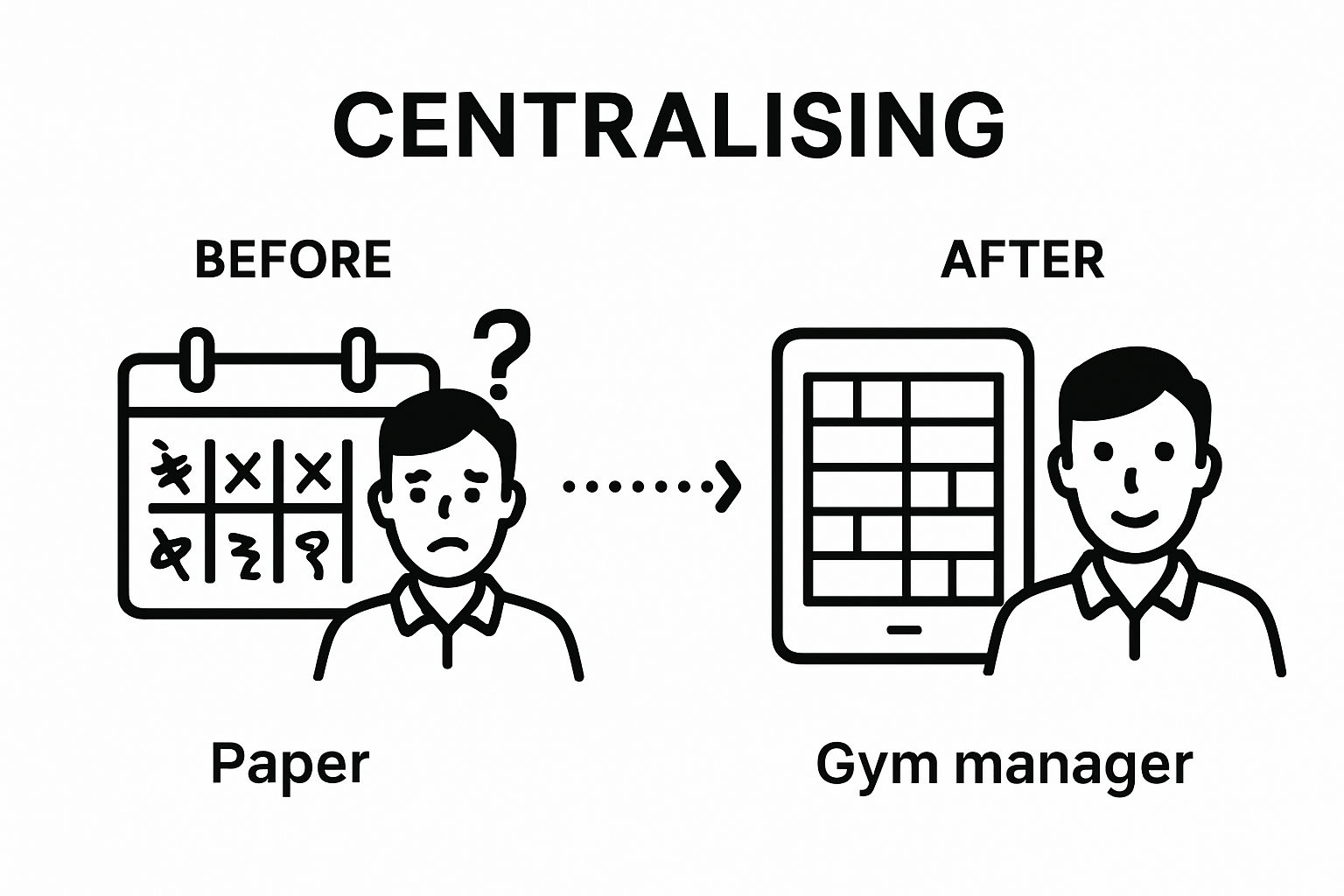
Before and after centralized fitness scheduling comparison

Consolidation is the key principle in creating an effective centralised scheduling system. Begin by migrating all existing booking information, client records, and class schedules into your chosen digital platform. This means transferring data from spreadsheets, paper records, and disparate digital tools into one comprehensive system.

Building Your Unified Scheduling Infrastructure

According to research in the Journal of Medical Systems, centralised scheduling systems significantly improve resource allocation and reduce operational conflicts. When implementing your system, prioritise platforms that offer seamless data integration and real-time synchronisation across all devices and user types.

Design your centralised system with clear user roles and permissions. Determine access levels for different stakeholders:

  • Administrators with full system management capabilities
  • Instructors who can view and modify class schedules
  • Clients with booking and cancellation permissions
  • Support staff with limited administrative access

Ensure your chosen platform supports multi-class and multi-instructor management. The system should allow you to create recurring class schedules, manage instructor availability, and handle complex booking scenarios like waitlists or package-based registrations.

Implement robust data validation and conflict prevention mechanisms. Your centralised system should automatically prevent double bookings, alert instructors to scheduling conflicts, and provide clear visual representations of class availability and capacity.

Consider the client experience when designing your system. The booking process should be intuitive, with clear class descriptions, instructor information, and straightforward payment options. Smooth user experience drives client retention and reduces administrative inquiries.

Regularly review and refine your centralised scheduling system. Set aside time monthly to assess system performance, identify potential improvements, and ensure all team members are comfortable with the platform. Continuous adaptation ensures your scheduling infrastructure remains efficient and responsive to evolving business needs.

Step 4: Set Up a Client Communication Plan

A robust client communication plan transforms scheduling from a transactional process into an engaging, relationship-building experience. This critical step ensures your clients remain informed, connected, and motivated throughout their fitness journey.

Effective communication is the cornerstone of client retention. Your plan should create multiple touchpoints that keep clients informed about class schedules, changes, and upcoming opportunities while maintaining a personal and professional connection.

Designing Your Communication Strategy

According to Stanford University’s communication guidelines, developing a comprehensive communication strategy requires careful planning and targeted approach. Begin by segmenting your client base according to their fitness interests, class frequencies, and engagement levels.

Implement an automated communication system that delivers timely and relevant information across multiple channels. Consider integrating:

  • Automated email confirmations for class bookings
  • SMS reminders before scheduled classes
  • Weekly or monthly newsletters highlighting class updates
  • Personalised performance tracking communications

Customise your communication frequency and tone to match different client segments. New clients might require more detailed information and encouragement, while experienced members may prefer concise, direct updates. Personalisation is key to maintaining client engagement.

Utilise your scheduling platform’s communication tools to send targeted messages. This might include early-bird class notifications, special workshop announcements, or personalised fitness progress reports. The goal is to create a communication ecosystem that feels both professional and individually tailored.

Develop a clear protocol for handling communication exceptions. Establish guidelines for last-minute class cancellations, instructor changes, or emergency notifications. Your communication plan should include rapid dissemination methods that keep clients informed and minimise disruption to their fitness routines.

Regularly solicit feedback about your communication approach. Include short surveys after communications or classes to understand how clients perceive the information they receive. This continuous improvement mindset ensures your communication strategy remains dynamic and client-focused.
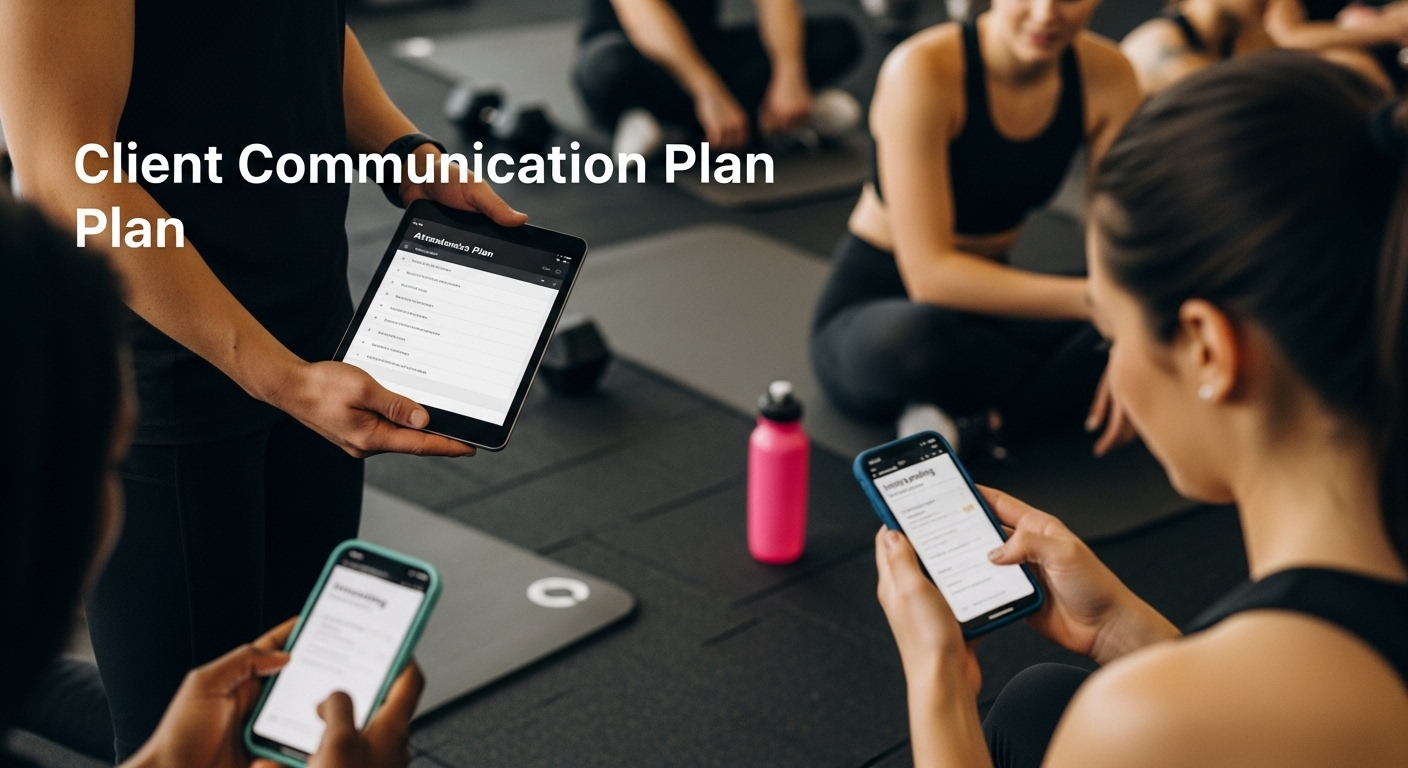
fitness client scheduling communication

By methodically developing a comprehensive communication plan, you transform scheduling from a mere administrative task into a powerful client engagement tool that supports long-term fitness success.

Step 5: Review and Adjust Your Schedule Regularly

Schedule management is not a one-time task but an ongoing process of refinement and adaptation. Regular review and strategic adjustment ensure your fitness class scheduling remains responsive to client needs, instructor availability, and evolving business dynamics.

Consistent evaluation is the heartbeat of effective scheduling. Establish a structured approach to reviewing your scheduling system, creating a rhythm of assessment that prevents stagnation and promotes continuous improvement.

Implementing a Systematic Review Process

According to research exploring scheduling models, periodic schedule reviews are crucial for optimizing resource utilization and meeting participant needs. Set a consistent schedule for comprehensive system reviews, preferably monthly or quarterly, depending on your business size and complexity.

Develop a comprehensive review checklist that encompasses multiple performance dimensions:

  • Class attendance and cancellation rates
  • Client feedback and satisfaction metrics
  • Instructor availability and performance
  • Revenue generated per class time slot
  • Waitlist and booking trend analysis

Utilize your digital scheduling platform’s analytics tools to generate detailed reports. Look for patterns in booking behaviours, identifying peak times, underutilised class slots, and potential opportunities for schedule optimization. Data-driven insights will guide your strategic adjustments.

Engage directly with clients and instructors during these review processes. Conduct short surveys, host feedback sessions, or create informal communication channels that allow stakeholders to share insights about scheduling preferences and challenges.

Be prepared to make dynamic adjustments. This might involve shifting class times, introducing new class formats, redistributing instructor assignments, or modifying pricing structures based on your analytical findings. Flexibility is key to maintaining a responsive and attractive fitness class schedule.

Implement a trial period for significant scheduling changes. Instead of making sweeping modifications, introduce adjustments incrementally and monitor their impact. This approach allows you to validate changes without disrupting your entire operational ecosystem.

Remember that schedule review is not just about numbers but about creating an exceptional client experience. Each adjustment should aim to enhance convenience, accessibility, and enjoyment for your fitness community.

This table offers an overview of the main checklist items for reviewing and adjusting your fitness class schedule.

Review Item Purpose Review Frequency
Class attendance rates Assess popularity and demand for classes Monthly/Quarterly
Client feedback Identify satisfaction and areas for improvement Monthly/Quarterly
Instructor availability Ensure sufficient staffing for all scheduled classes Monthly/Quarterly
Revenue per time slot Measure financial performance by time and class Monthly/Quarterly
Waitlist and booking trends Recognise demand patterns and peak periods Monthly/Quarterly

Step 6: Monitor Performance and Client Feedback

Performance monitoring and client feedback collection transform raw data into actionable insights that drive continuous improvement in your fitness class management. This crucial step helps you understand the effectiveness of your scheduling strategies and identifies opportunities for enhancement.

Systematic feedback collection is the foundation of responsive business management. Develop a comprehensive approach that captures both quantitative metrics and qualitative client experiences across multiple channels.

Creating a Robust Feedback Ecosystem

According to research in the International Journal of Environmental Research and Public Health, digital management systems provide powerful tools for tracking fitness program performance and gathering real-time client insights.

Implement a multi-layered feedback mechanism that captures information through various touchpoints:

  • Post-class digital surveys
  • Monthly performance reviews
  • Direct email feedback requests
  • In-app rating systems
  • Periodic face-to-face or virtual feedback sessions

Utilise your scheduling platform’s analytics tools to generate detailed performance reports. Track critical metrics such as class attendance rates, client retention, booking conversion rates, and instructor performance indicators. Look beyond surface-level numbers to understand the underlying trends and patterns.

Develop a standardised process for reviewing and acting on feedback. Create a scoring system that helps prioritise client suggestions and operational improvements. Not all feedback will require immediate action, but each piece of input should be carefully considered and documented.

Encourage a culture of transparency by sharing how client feedback translates into tangible improvements. When clients see their suggestions implemented, they feel valued and become more invested in your fitness community.

Establish a regular cadence for comprehensive performance reviews. Monthly or quarterly deep-dive sessions can help you identify long-term trends, potential issues, and opportunities for innovation. These reviews should involve key team members, including instructors and administrative staff.

Remember that monitoring performance is not about criticism but continuous improvement. Approach feedback with an open mind, viewing each comment as an opportunity to refine your services and create a more exceptional client experience.

Take the Stress Out of Fitness Class Scheduling

Is manual scheduling, tracking cancellations, and following up with client reminders taking up valuable time? If you find that inefficiencies, booking errors, and frustrating admin tasks are holding your fitness business back, you are not alone. Many instructors struggle with complicated processes that limit growth and make class management overwhelming. The article above highlighted the need for a centralised scheduling system, automated communications, and regular schedule reviews to unlock a seamless client experience and boost efficiency.
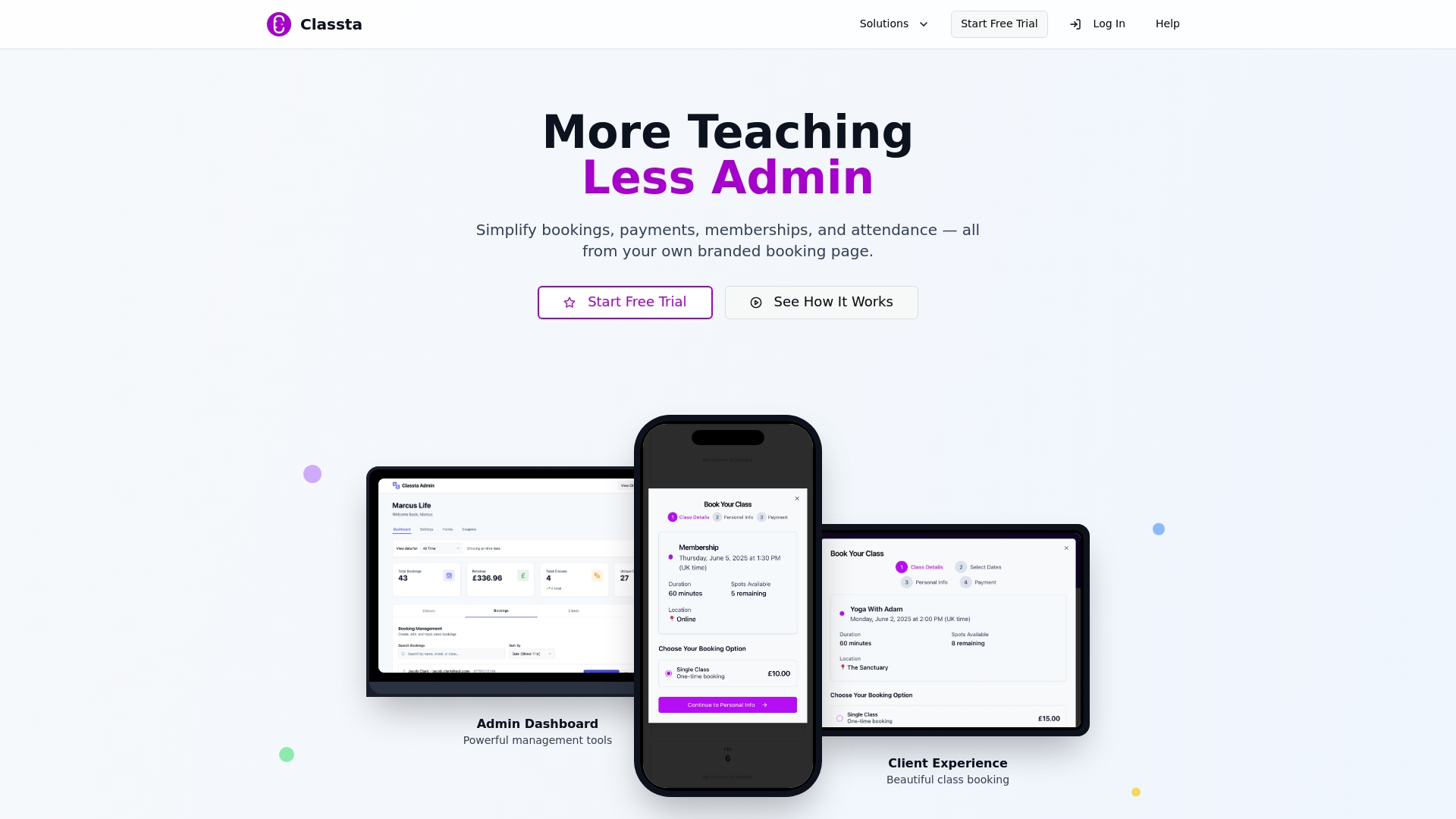
https://classta.co

Imagine your entire booking and payments system running itself while you focus on teaching and building your community. With Classta.co, you gain an all-in-one platform that consolidates scheduling, branded booking pages, automated email and SMS reminders, secure payments, and real-time analytics on any device. There is no need for technical expertise. Elevate your classes beyond spreadsheets and manual processes. Explore how you can set up effortless scheduling and automation by visiting the Classta.co homepage now—and give yourself more time to do what you love. Experience a smarter way to manage your fitness business today.

Frequently Asked Questions

What are the first steps to assess current scheduling practices for fitness classes?

Begin by conducting a thorough audit of your current scheduling system. Gather all documentation, evaluate the booking process, track key metrics, and collect feedback from clients and instructors to identify inefficiencies and opportunities for improvement.

How do I choose the right scheduling technology for my fitness classes?

Look for comprehensive scheduling platforms that offer integrated features such as automated booking confirmations, payment processing, and mobile accessibility. Develop an evaluation matrix based on user interface, integration capabilities, cost, customer support, and scalability to find the best fit for your business needs.

What should be included in a client communication plan for scheduling?

Your communication plan should include automated email confirmations, SMS reminders, newsletters about class updates, and personalised performance tracking messages. Segment your communication based on client interests and engagement levels to create a tailored experience.

How often should I review and adjust my fitness class schedule?

It is recommended to review and adjust your fitness class schedule on a monthly or quarterly basis. This allows you to optimise resource use, respond to client feedback, and keep the schedules aligned with changing needs and preferences.


Understanding Online Booking Systems Explained Simply

Booking a fitness class or a wellness appointment used to mean endless phone calls and missed opportunities. Now, nearly 70 percent of clients prefer booking their sessions online, even outside regular hours. That might sound like technology is just making things easier, but there is an unexpected shift happening. These online booking systems are not just about convenience. They are quietly transforming how fitness professionals run their entire business and connect with clients in ways that were never possible before.

Table of Contents

Quick Summary

Takeaway Explanation
Streamline scheduling with online systems Online booking systems automate reservations and simplify scheduling, enhancing operational efficiency for wellness professionals.
Enhance client experience and satisfaction These systems offer 24/7 access, allowing clients to book appointments anytime, improving their overall satisfaction and engagement.
Reduce administrative workload By automating processes like confirmation and payment, these systems allow professionals to focus more on service delivery rather than administration.
Integrate advanced technologies for growth Future online booking systems will likely use AI and IoT for personalised client experiences and improved operational insights.
Address potential implementation challenges Businesses must consider technical dependencies and privacy concerns when adopting these systems to maintain quality client relationships.

Defining Online Booking Systems: What Are They?

Online booking systems represent digital platforms that transform how businesses and clients manage reservations and appointments. These sophisticated software solutions enable seamless scheduling, allowing users to book services, classes, or resources directly through internet-connected devices.

Core Functionality of Online Booking Systems

At their fundamental level, online booking systems are digital tools designed to automate scheduling processes. Research from digital transformation experts indicates these platforms provide comprehensive functionalities that replace traditional manual booking methods.

Key components typically include:

  • Real-time availability tracking
  • Instant reservation confirmation
  • Automated client communication
  • Secure payment processing
  • Calendar synchronisation

Understanding the Digital Reservation Mechanism

The underlying mechanism of online booking systems involves multiple interconnected technological processes. When a client accesses the platform, they interact with a user-friendly interface displaying available time slots, service options, and pricing. The system instantly checks existing reservations, validates availability, and generates a booking confirmation.

Technical Architecture

These systems integrate multiple technological components: customer-facing interfaces, backend databases, payment gateways, and communication protocols. Digital scheduling research demonstrates how these platforms create efficient, transparent booking experiences across various industries.

For fitness instructors and class providers, online booking systems represent more than just scheduling tools. They are comprehensive business management solutions that streamline administrative tasks, reduce manual workload, and provide professional, modern booking experiences for clients.

Importance of Online Booking Systems in Wellness Business

Online booking systems have become essential strategic tools for wellness businesses, transforming how fitness instructors, yoga teachers, and health professionals manage client interactions and operational efficiency. These digital platforms offer more than simple scheduling capabilities.

Revenue and Operational Optimization

Wellness businesses face significant challenges in managing client bookings and maximizing revenue potential. Research from the Health & Fitness Association highlights that inefficient booking systems directly impact financial performance and customer retention.

Key financial advantages include:

  • Reduced administrative overhead
  • Minimised booking errors
  • Enhanced revenue tracking
  • Improved resource allocation
  • Automated payment processing

Client Experience and Engagement

Modern wellness clients expect convenient, flexible booking experiences. Online systems provide 24/7 accessibility, allowing clients to schedule classes, appointments, or services from any device. This convenience significantly improves client satisfaction and encourages repeat business.

Digital Transformation Impact

The integration of digital booking platforms represents a critical evolution in wellness business management. By streamlining administrative processes, these systems enable instructors to focus more on delivering high-quality services rather than managing complex scheduling logistics.

The strategic implementation of online booking systems goes beyond mere technological convenience. They represent a comprehensive approach to business management, providing wellness professionals with powerful tools to enhance operational efficiency, improve client relationships, and drive sustainable business growth.

How Online Booking Systems Work: Key Components

Online booking systems are sophisticated technological ecosystems that integrate multiple digital components to create seamless reservation experiences. These platforms function through interconnected modules designed to simplify scheduling and enhance user interactions.

User Interface and Navigation

Research from the University of Nebraska-Lincoln reveals that the user interface represents the critical first point of interaction in online booking systems. This digital gateway allows clients to explore available services, view schedules, and complete reservations with minimal friction.

Key interface characteristics include:

  • Intuitive design and layout
  • Clear service descriptions
  • Real-time availability display
  • Mobile responsiveness
  • Simple navigation paths

Backend Management Mechanisms

Behind the user-friendly interface lies a complex backend infrastructure managing multiple simultaneous processes. This technological framework handles critical functions such as availability tracking, reservation confirmation, and client data management.

Technical Infrastructure

The backend system coordinates several essential components: scheduling algorithms, database management, payment processing, and automated communication protocols. These integrated systems work synchronously to ensure accurate, reliable booking experiences.

The following table outlines key components of online booking systems, distinguishing between features visible to end-users and those managed on the backend, as referenced in the article.

Component User Interface Example Backend Function Example
Availability Display Real-time schedule shown to client Algorithm checks and updates availability
Service Descriptions Clients read service/class details Database stores and manages offerings
Booking Confirmation Instant notification to user System validates and reserves slot
Payment Processing Secure online payment options Integration with payment gateway
Automated Communication Appointment reminders sent to clients System triggers SMS/email notifications
Calendar Synchronisation Client adds session to personal calendar Syncs with provider’s calendar/inventory

wellness business digital scheduling

Online booking platforms represent more than simple scheduling tools. They are comprehensive digital ecosystems that transform how businesses manage client interactions, providing robust, efficient solutions for modern service providers across various industries.

Benefits and Challenges of Using Booking Systems

Online booking systems present a complex landscape of opportunities and potential limitations for wellness businesses. Understanding these nuanced dynamics helps professionals make informed technological investments that align with their operational goals.

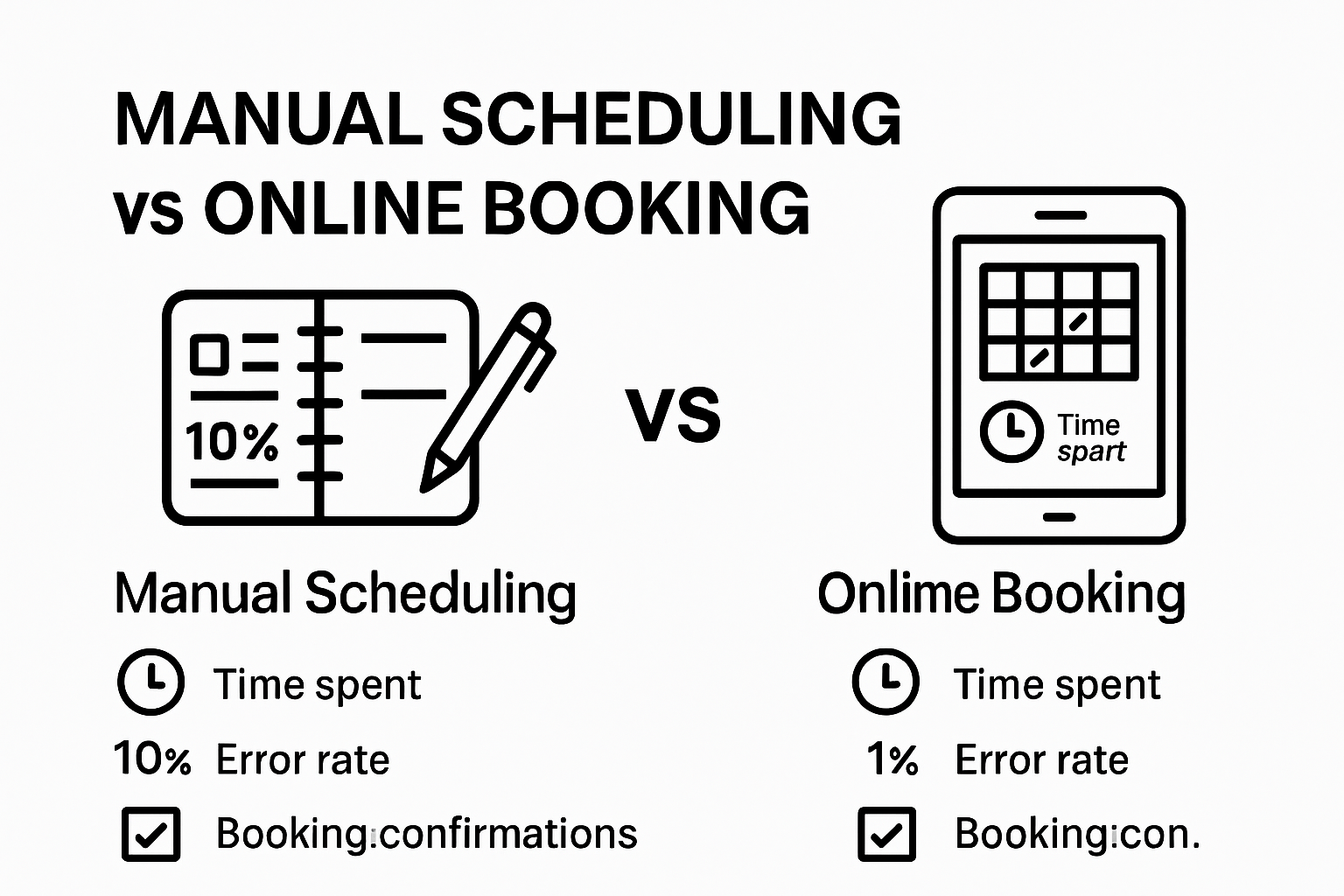
Infographic comparing manual and online booking

Strategic Business Advantages

Research from UMA Technology reveals significant operational benefits that make digital booking platforms attractive for modern businesses. These systems fundamentally transform how service providers manage client interactions and internal processes.

Key strategic advantages include:

  • Reduced administrative time
  • Immediate booking capabilities
  • Enhanced time management
  • Decreased client no-show rates
  • Improved revenue forecasting
  • 24/7 accessibility for clients

Potential Implementation Challenges

While booking systems offer numerous benefits, businesses must carefully navigate potential technological and operational hurdles. Digital transformation requires comprehensive understanding and strategic planning to mitigate potential risks.

Technological Considerations

Professionals must evaluate critical factors such as technology dependency, potential loss of personal interaction, privacy concerns, and initial implementation costs. The most successful booking systems balance technological efficiency with maintaining meaningful client relationships.

The implementation of online booking systems represents a nuanced decision requiring thorough assessment of both organizational capabilities and client expectations. Wellness businesses must approach these digital tools as strategic investments that enhance operational efficiency while preserving the fundamental human connection at the core of service delivery.

Below is a table summarising the main benefits and potential challenges of implementing online booking systems, as discussed in the article.

Aspect Benefits Potential Challenges
Operational Efficiency Reduces administrative workload, streamlines scheduling Increased reliance on technology
Client Experience Improves satisfaction and engagement through 24/7 access Possible reduction of personal interaction
Financial Performance Minimises booking errors, enhances revenue tracking Initial set-up and implementation costs
Business Intelligence Enables improved resource allocation and revenue forecasting Privacy and data security concerns
Convenience Allows clients to book appointments at any time Requires careful evaluation of organisational fit

The Future of Online Booking Systems in Fitness Industry

The fitness industry stands on the brink of a technological revolution, with online booking systems poised to become increasingly sophisticated, personalised, and integrated with emerging digital technologies. These platforms are evolving from simple scheduling tools to comprehensive wellness management ecosystems.

Technological Integration and Innovation

Research from Monash University highlights the transformative potential of emerging technologies in fitness service delivery. The future of online booking systems will likely incorporate advanced technological capabilities that extend far beyond traditional reservation mechanisms.

Anticipated technological developments include:

  • Artificial Intelligence personalisation
  • Internet of Things (IoT) connectivity
  • Predictive health analytics
  • Seamless cross-platform integration
  • Real-time performance tracking

Wellness Ecosystem Transformation

Online booking platforms are rapidly evolving from transactional interfaces to comprehensive wellness management tools. These systems will increasingly offer holistic solutions that connect scheduling, health tracking, personalised recommendations, and comprehensive client engagement strategies.

Strategic Digital Evolution

The next generation of online booking systems will transcend traditional boundaries, offering intelligent, proactive services that anticipate client needs, adapt to individual wellness journeys, and provide seamless, integrated experiences across multiple digital touchpoints.

The convergence of technological innovation and wellness management represents a profound shift in how fitness professionals interact with clients, manage their businesses, and deliver personalised health experiences.

Transform Your Booking Experience With Classta

If you have ever felt overwhelmed by administrative tasks or lost valuable time juggling schedules and payments, you are not alone. Many fitness instructors face the same frustrations explained in ‘Understanding Online Booking Systems Explained Simply’. The article highlights how manual booking leads to errors, missed revenue, and dissatisfied clients. Imagine having secure payments, member management, and class reminders all handled for you, with no technical knowledge needed.

https://classta.co

Let Classta show you how simple and stress-free running your class business can be. Our SaaS platform provides user-friendly online booking, automated communications, branded calendars, QR attendance, and secure payment processing with Stripe and PayPal. Do not wait for another missed booking or late payment. Discover the easiest way to grow your class-based business by visiting Classta.co today and experience a truly modern solution to all your booking challenges.

Frequently Asked Questions

What are online booking systems?

Online booking systems are digital platforms that enable businesses and clients to manage reservations and appointments seamlessly through internet-connected devices.

How do online booking systems work?

These systems automate scheduling processes by allowing clients to view available time slots, service options, and pricing, and they generate instant reservation confirmations upon booking.

What are the key benefits of using an online booking system?

Utilising an online booking system can reduce administrative overhead, minimise booking errors, enhance revenue tracking, improve resource allocation, and provide clients with 24/7 accessibility to schedule appointments.

What challenges might businesses face when implementing an online booking system?

Businesses may encounter challenges such as technology dependency, loss of personal interaction, privacy concerns, and the initial costs of implementation, necessitating a careful evaluation of their organisational capabilities.

Understanding the Role of Ease of Setup in Fitness

Integrating new technology can feel overwhelming, especially when every minute counts in a busy fitness studio. Here is something shocking. Devices that are both useful and easy to set up are significantly more likely to be embraced by fitness professionals, according to recent research. You might expect that cutting-edge features steal the spotlight, but it is actually the simplicity of setup that shapes long-term success for instructors and clients alike.

Table of Contents

Quick Summary

Takeaway Explanation
Prioritise ease of setup in fitness technology Streamlined implementations enhance workflow efficiency for trainers, allowing them to focus on client engagement instead of technical burdens.
Aim for minimal technical knowledge requirements Solutions should be accessible to all fitness professionals, without the need for advanced technological skills, to encourage widespread adoption.
Ensure intuitive user interfaces Systems designed with clear navigation reduce cognitive load and make onboarding easier, facilitating a positive user experience from the start.
Utilise adaptive setup methodologies Customisable and incremental implementation strategies accommodate varying skill levels and business needs, leading to smoother transitions and less disruption.
Emphasise community support in implementation Community-driven models foster collaborative learning, enabling fitness professionals to share knowledge and effectively adopt new technologies together.

Defining Ease of Setup in Fitness Contexts

Ease of setup represents a critical factor determining how quickly and smoothly fitness professionals and instructors can implement new technologies, systems, or platforms into their existing workflows. Within the fitness industry, this concept goes beyond mere technical installation and encompasses the overall user experience of adopting a new solution.

Understanding the Core Concept

At its foundation, ease of setup involves several interconnected elements that determine how readily a fitness professional can integrate a new tool or technology. These elements include technical complexity, user interface intuitiveness, and time investment required for implementation.

According to research on wearable fitness technology, devices and platforms perceived as both useful and straightforward to implement are significantly more likely to be adopted by fitness professionals. This suggests that ease of setup is not just a technical consideration but a strategic business decision.

Key Components of Setup Simplicity

The role of ease of setup in fitness contexts can be broken down into several fundamental components:

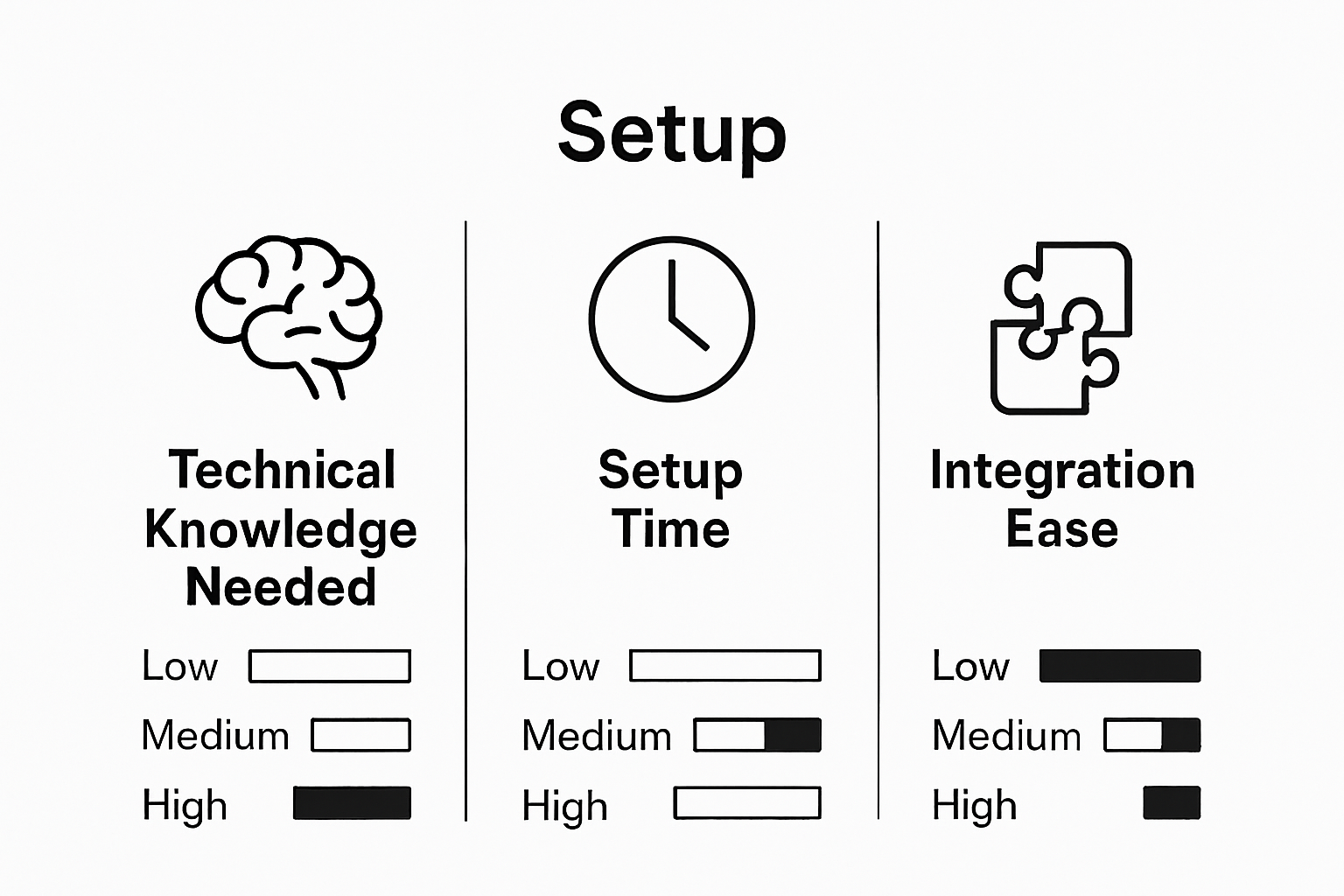
Infographic comparing setup simplicity features in fitness tech

  • Minimal Technical Knowledge Required: Solutions that do not demand advanced technical skills
  • Quick Configuration Process: Systems that can be operational within minutes
  • Intuitive User Interface: Platforms with clear, logical navigation and setup procedures
  • Seamless Integration: Ability to connect with existing tools and software ecosystems

Fitness instructors and studio owners typically seek solutions that allow them to focus on their core expertise training clients rather than wrestling with complex technological implementations. A truly user-friendly setup means professionals can transition smoothly without significant learning curves or substantial time investments.

Below is a table summarising the key components that define ease of setup in fitness technology, clarifying what each aspect means in a practical sense.

Component Description
Minimal Technical Knowledge Solutions that can be implemented without requiring advanced IT skills or specialised training
Quick Configuration Process Systems that function fully within minutes of setup
Intuitive User Interface Interfaces with clear, logical menus and navigation that are simple to follow
Seamless Integration The ability to connect smoothly with existing tools, platforms, or workflows

By prioritizing ease of setup, fitness technology providers acknowledge that their primary users are movement professionals, not technical experts. The goal is to create solutions that feel like natural extensions of an instructor’s existing practice, enabling them to enhance their business operations with minimal friction.

Importance of Ease of Setup for Instructors and Clients

The importance of ease of setup extends far beyond technical convenience, representing a critical intersection between technological efficiency and professional effectiveness in fitness environments. For both instructors and clients, a seamless setup process can significantly impact engagement, productivity, and overall satisfaction.

Impact on Professional Workflow

For fitness professionals, an uncomplicated setup process directly translates to reduced administrative burden and more time dedicated to core teaching responsibilities. Research on fitness education programs highlights that administrative management is often considered the least critical competency, suggesting that streamlined technological solutions can help instructors focus on skill development and client interactions.

The setup process influences several critical professional aspects:

  • Minimising time spent on technical configuration
  • Reducing cognitive load associated with complex system navigation
  • Enabling faster transition between administrative tasks and client engagement
  • Creating a more professional and efficient operational environment

Client Experience and Trust

Clients inherently value platforms and systems that feel accessible and straightforward. A complex or frustrating setup can create immediate barriers to engagement, potentially deterring individuals from continuing with a fitness programme or service.

Key client considerations include:

  • Perceiving the instructor as technologically competent
  • Experiencing a smooth, professional onboarding process
  • Feeling confident in the technological infrastructure supporting their fitness journey
  • Maintaining motivation through user-friendly interfaces

By prioritising ease of setup, fitness professionals demonstrate respect for their clients’ time and cognitive resources. A well-designed, intuitive system communicates professionalism and commitment to delivering high-quality, accessible fitness experiences.

Ultimately, ease of setup is not merely a technical requirement but a strategic approach to building trust, enhancing client relationships, and creating a more streamlined, client-centric fitness environment.

How Ease of Setup Enhances Business Efficiency

Ease of setup serves as a fundamental catalyst for transforming operational performance in fitness businesses, enabling professionals to streamline administrative processes and allocate resources more strategically. By reducing technological complexity, fitness enterprises can create more agile and responsive business models.

Operational Resource Optimization

Operational efficiency emerges as a direct consequence of implementing systems with straightforward setup procedures. Research in legal aspects of sport management demonstrates that simplified technological implementation significantly contributes to reducing administrative overhead and enabling more effective resource allocation.

Key operational benefits include:

  • Minimising time spent on technical configuration
  • Reducing personnel training requirements
  • Accelerating system implementation timelines
  • Decreasing potential error margins during digital transitions

Financial and Strategic Advantages

A streamlined setup process presents substantial financial implications for fitness businesses. Reduced implementation complexity translates into lower initial investment costs and faster return on technological investments. The ability to quickly integrate new systems means businesses can respond more nimbly to market changes and client expectations.

Strategic advantages encompass:

  • Lower technology adoption barriers
  • Faster scalability of business operations
  • Enhanced capacity for technological innovation
  • Improved competitive positioning within the fitness market

By prioritising ease of setup, fitness businesses create an environment where technological solutions become enablers rather than obstacles. This approach allows instructors and management to focus on core business objectives: delivering exceptional fitness experiences and driving client transformation.

This table compares the operational and strategic benefits brought by prioritising ease of setup for fitness businesses, highlighting specific ways each advantage manifests in real practice.

Category Business Benefit Example Outcomes
Operational Minimise setup and training time Quicker onboarding for new staff
Operational Reduce administrative burden Less time spent on technical troubleshooting
Strategic Lower technology adoption barriers Easier adoption of new platforms or systems
Strategic Improved competitive positioning Faster rollout of new client-facing services
Strategic Enhanced innovation capacity Ability to try new technologies with minimal risk
Financial Lower upfront implementation costs Reduced need for expensive IT consultants
Financial Faster return on technological investments More rapid achievement of business objectives

quick configuration setup fitness

Ultimately, ease of setup represents more than a technical consideration it is a strategic approach to building adaptable, efficient, and client-focused fitness enterprises.

Key Factors Influencing Ease of Setup in Fitness

The landscape of fitness technology demands sophisticated yet accessible solutions that accommodate diverse professional requirements. Understanding the key factors influencing ease of setup becomes crucial for developing systems that genuinely support fitness professionals and their clients.

Technical Infrastructure Considerations

Technical infrastructure represents the foundational layer determining setup complexity. System compatibility and integration capabilities emerge as primary determinants of how smoothly a new technological solution can be implemented within existing workflows.

Research examining fitness center accessibility underscores the importance of creating technological solutions that seamlessly align with existing operational frameworks. This requires careful consideration of several interconnected elements:

  • Compatibility with existing software platforms
  • Scalability across different business sizes
  • Robust security protocols
  • Minimal hardware requirements

User Experience and Interface Design

Beyond technical specifications, user experience plays a pivotal role in determining setup ease. An intuitive interface can dramatically reduce the cognitive load associated with implementing new technological systems. Fitness professionals seek solutions that feel like natural extensions of their existing practice rather than complex, intimidating platforms.

Key user experience factors include:

  • Clarity of setup instructions
  • Intuitive navigation pathways
  • Minimal required technical knowledge
  • Comprehensive yet concise onboarding processes

The goal is to create a setup experience that feels effortless and empowering.

By prioritising user-centric design, technology providers can transform potentially stressful technological transitions into smooth, confidence-building experiences.

Ultimately, ease of setup transcends mere technical functionality. It represents a holistic approach to supporting fitness professionals by reducing barriers, minimising friction, and enabling them to focus on their core mission of delivering exceptional fitness experiences.

Real-World Examples of Effective Setup Strategies

Real-world implementation of setup strategies demonstrates the profound impact of thoughtful technological integration in fitness environments. By examining practical approaches, fitness professionals can gain insights into creating seamless, user-friendly systems that enhance operational efficiency and client engagement.

Community-Driven Implementation Models

Research examining implementation strategies reveals that successful setup approaches often leverage community support and social dynamics. Collaborative implementation methods prove particularly effective in reducing technological adoption barriers and creating supportive learning environments.

Key characteristics of successful community-driven models include:

  • Peer-to-peer learning networks
  • Shared technological knowledge transfer
  • Mutual problem-solving approaches
  • Collective technological exploration

Adaptive Setup Methodologies

Fitness professionals are increasingly adopting flexible setup strategies that accommodate diverse technological skill levels and business requirements. These adaptive methodologies prioritise personalisation and incremental implementation, allowing businesses to integrate new systems without disrupting existing workflows.

Successful adaptive setup strategies typically feature:

  • Modular implementation approaches
  • Customisable onboarding processes
  • Scalable technological solutions
  • Comprehensive support mechanisms

By recognising that each fitness business possesses unique operational characteristics, adaptive setup strategies create tailored technological experiences. These approaches transform potential implementation challenges into opportunities for professional growth and technological empowerment.

Ultimately, effective setup strategies transcend technical configuration. They represent a holistic approach to technological integration that respects individual professional contexts, minimises potential friction, and creates pathways for continuous learning and development in fitness technology ecosystems.

Experience True Ease of Setup with Classta.co

Are you tired of struggling with complex booking systems and endless administrative burden? The article explored how simplicity, quick implementation and intuitive design can transform your professional life as an instructor. At Classta.co, our all-in-one SaaS platform is purpose-built for class providers who want a truly easy setup. You do not need technical expertise. Our streamlined onboarding, branded booking calendars and automated admin tools empower you to focus on client results rather than wrestling with tech hurdles.

https://classta.co

It is time to see how effortless setup really feels. Discover why so many yoga, pilates and fitness instructors trust Classta.co for secure payments, client management and powerful automation. Visit our main site now to create a seamless client experience and free yourself from unnecessary technical headaches.

Frequently Asked Questions

What is meant by ‘ease of setup’ in the fitness industry?

Ease of setup in the fitness industry refers to the simplicity and speed with which fitness professionals can integrate new technologies or systems into their existing workflows. It includes aspects like technical complexity, user interface intuitiveness, and the time required for implementation.

Why is ease of setup important for fitness instructors?

Ease of setup is crucial for fitness instructors as it reduces the administrative burden and allows them to focus more on their core teaching responsibilities. A simple setup process minimises time spent on configuration and decreases cognitive load, leading to a more efficient operational environment.

How does a smooth setup process enhance client experience?

A smooth setup process enhances the client experience by making the onboarding process feel accessible and straightforward. This fosters trust, as clients perceive their instructors as highly competent, and encourages them to stay engaged with their fitness programmes.

What factors influence the ease of setup for fitness technology?

Factors that influence ease of setup for fitness technology include the technical infrastructure (such as system compatibility and integration capabilities) and user experience design (like clarity of setup instructions and intuitive navigation pathways). These elements work together to create a seamless user experience.

7 Key Steps for Your Fitness Booking Checklist

Building a fitness class booking system can feel overwhelming with so many details to manage. Yet only about 27 percent of small fitness businesses have an organised booking process in place. Most rely on scattered emails or manual notes. The real surprise is that a well-structured fitness booking checklist does more than save you time, it instantly creates a smoother experience for your clients and builds trust before they even step through the door.

Table of Contents

Quick Summary

Takeaway Explanation
Define clear class offerings Map out all your class types and services to avoid client confusion and enhance booking efficiency.
Establish clear booking policies Develop transparent booking rules to prevent misunderstandings and protect your business interests.
Select user-friendly booking software Choose software that streamlines your operations and enhances client interaction through intuitive features.
Design a welcoming booking page Create an engaging and easy-to-navigate booking page that provides essential information quickly.
Implement effective client communication Use personalised, timely communication to improve client engagement, satisfaction, and retention.

1: Define Your Class Types and Offerings

Successful fitness booking begins with clarity about your class portfolio. Your fitness booking checklist starts by comprehensively mapping out the types of classes and services you provide. This strategic approach helps potential clients understand exactly what you offer and enables smoother booking experiences.

In the fitness and wellness sector, specialisation matters. Research from fitness programming experts indicates that clients appreciate instructors who demonstrate depth and expertise in specific training domains. Your offerings should reflect your unique strengths and professional focus.

Consider developing a diverse yet coherent class portfolio that might include:

  • Group fitness sessions
  • One-on-one personal training
  • Specialised workshops
  • Online and in-person class formats
  • Wellness and rehabilitation programmes

When defining your class types, be precise about:

  • Duration of each class
  • Difficulty level (beginner, intermediate, advanced)
  • Equipment requirements
  • Physical space or environment needed

Precision in describing your offerings eliminates potential client confusion and reduces administrative back-and-forth. By creating transparent, well-defined class descriptions, you make the booking process more straightforward and appealing.

Your fitness booking checklist must prioritise clear communication. Use language that is both professional and accessible, helping potential clients quickly understand what they can expect from your classes. Detailed, honest descriptions build trust and demonstrate your commitment to client satisfaction.

Remember that flexibility in your offerings can significantly enhance client attraction. While maintaining your core expertise, consider providing variations that cater to different fitness levels, schedules, and personal goals. This approach not only broadens your potential client base but also showcases your adaptability as a fitness professional.

2: Set Clear Booking Policies and Procedures

Creating unambiguous booking policies forms the foundation of a professional fitness service. Your fitness booking checklist must include comprehensive procedures that protect both your business interests and client expectations. Transparency reduces misunderstandings and potential conflicts.

Research from campus recreation policies highlights the critical importance of establishing clear guidelines for class registration and attendance. Your policies should address multiple essential aspects of client interaction and class management.

Key policy considerations include:

  • Cancellation and refund terms
  • Late arrival protocols
  • Booking modification procedures
  • Payment expectations
  • Attendance tracking requirements

When developing your booking procedures, consider creating guidelines that balance flexibility with professional boundaries. Clients appreciate predictability and clear communication. Your policies should outline exact steps for:

  • Reserving a spot in a class
  • Confirming attendance
  • Handling waitlists
  • Managing unexpected schedule changes

Ensure your booking policies cover potential scenarios such as class capacity limits, minimum participant requirements, and consequences for repeated no-shows. By establishing these parameters upfront, you create a professional environment that respects both your time and your clients’ commitments.

Consider implementing a digital system that automatically communicates these policies during the booking process. This approach reduces manual administrative work and ensures consistent messaging. Automated reminders about cancellation windows, payment deadlines, and class expectations can significantly streamline your booking experience.

Remember that well-structured policies protect your business while creating a positive client experience. Your booking procedures should be clear, fair, and consistently applied across all class types and client interactions.

3: Choose the Right Booking Software

Selecting the appropriate booking software is a pivotal decision for fitness professionals. Your digital platform will become the central nervous system of your booking operations, connecting you seamlessly with clients and managing critical administrative tasks.

Research in digital health technologies emphasises the critical role of user-friendly digital tools in modern fitness businesses. The right software can transform your administrative workflow, reducing manual effort and enhancing client experience.

Critical features to evaluate in booking software include:

  • Intuitive user interface
  • Mobile responsiveness
  • Secure payment processing
  • Client management capabilities
  • Automated communication tools

When assessing potential booking platforms, consider your specific business needs. Not all software solutions are created equal. Some platforms cater specifically to fitness professionals, offering specialised features like class scheduling, attendance tracking, and client progress monitoring.

Key considerations for software selection:

  • Integration with existing business tools
  • Scalability for future growth
  • Cost-effectiveness
  • Customer support quality
  • Data security and privacy protocols

The ideal booking software should simplify complex administrative tasks. Look for platforms that offer automated features like appointment reminders, waitlist management, and real-time availability updates. These functionalities not only save time but also provide a professional experience for your clients.

Consider the technical capabilities of the software. Robust platforms should offer comprehensive reporting, enabling you to track class attendance, revenue streams, and client engagement metrics. The right software becomes more than just a booking tool it transforms into a strategic business intelligence platform.

Remember that your booking software is an investment in your professional efficiency. Take time to trial different platforms, request demonstrations, and thoroughly understand each system’s capabilities before making a final decision.

4: Create a User-Friendly Booking Page

Your booking page serves as the digital gateway for potential clients, making its design and functionality paramount to converting interest into confirmed bookings. A well-crafted booking page can significantly reduce client friction and enhance conversion rates.

Research from usability principles highlights the critical importance of creating intuitive, accessible digital interfaces. Your booking page should communicate information clearly and guide clients through the reservation process with minimal complexity.

Essential elements of an effective booking page include:

  • Clean, professional design
  • Responsive mobile layout
  • Clear class descriptions
  • Transparent pricing information
  • Simple navigation

Visual clarity and simplicity are your primary objectives. Potential clients should understand your offerings, availability, and booking process within seconds of landing on your page. Avoid overwhelming users with excessive information or complicated registration steps.

Consider incorporating these critical design principles:

  • Minimal number of clicks to complete booking
  • Prominent call-to-action buttons
  • High-contrast colour schemes
  • Legible typography
  • Quick loading times

Each element of your booking page should serve a specific purpose. Use high-quality images that represent your fitness classes authentically. Include brief, engaging descriptions that highlight the unique value of each offering. Transparency builds trust and encourages potential clients to take action.

Implement a booking interface that provides real-time availability, allows easy class selection, and offers multiple payment options. Integrate features like class capacity indicators, waitlist management, and instant confirmation to enhance user experience.

Remember that your booking page is often the first interaction potential clients have with your fitness service. Make it welcoming, professional, and reflective of the quality experience you provide in your classes.

5: Implement Client Communication Strategies

Effective client communication is the backbone of a successful fitness booking system. Your communication approach can significantly influence client retention, satisfaction, and overall engagement.

Research in health communication strategies demonstrates that targeted, personalised communication dramatically improves client participation and programme adherence.

Critical communication channels to leverage include:

  • Automated email confirmations
  • SMS class reminders
  • Pre-class preparation notifications
  • Post-class follow-up messages
  • Personalised progress updates

Timing and personalisation are key elements of successful communication strategies. Develop a communication framework that provides relevant information without overwhelming clients. Each message should serve a specific purpose, whether confirming a booking, providing class details, or offering motivational support.

Consider implementing communication strategies that:

  • Create a sense of community
  • Provide clear, actionable information
  • Demonstrate professional care
  • Reduce no-show rates
  • Enhance client experience

Utilise technology to automate and personalise your communication. Sophisticated booking platforms can help you send targeted messages based on client history, class type, and individual preferences. Intelligent communication goes beyond simple reminders – it builds relationships.

Incorporate a mix of informative and motivational content. Share class preparation tips, highlight upcoming workshops, and celebrate client achievements. This approach transforms routine communication into an engaging client experience.

Remember that effective communication is a two-way street. Provide easy channels for clients to ask questions, provide feedback, and feel connected to your fitness community. Your communication strategy should ultimately make clients feel valued, supported, and motivated to continue their fitness journey with you.

6: Establish Payment Processing Protocols

Payment processing is the financial backbone of your fitness booking system, requiring meticulous planning and robust security measures. A well-designed payment protocol protects both your business and your clients from potential financial risks.

Research from cybersecurity guidelines emphasises the critical importance of establishing secure, compliant payment infrastructure for service-based businesses.

Essential payment processing considerations include:

  • Multiple payment method support
  • Secure transaction encryption
  • Transparent pricing structures
  • Automated recurring billing options
  • Clear refund and cancellation policies

Financial transparency builds client trust. Your payment protocols should clearly communicate all costs, potential additional fees, and payment expectations upfront. Clients appreciate knowing exactly what they are paying for and understanding the financial terms of their commitment.

Key elements of robust payment protocols:

  • Integration with reputable payment gateways
  • Compliance with data protection regulations
  • Automated payment receipts
  • Secure storage of payment information
  • Regular financial reconciliation

Consider implementing a flexible payment system that accommodates various client needs. Options like package deals, membership tiers, and sliding scale pricing can make your services more accessible while maintaining financial sustainability.

Prioritise data security throughout your payment process. Use end-to-end encryption, comply with Payment Card Industry (PCI) standards, and regularly update your security protocols. Protecting client financial information is not just a technical requirement – it’s a fundamental aspect of professional service.

Remember that your payment processing approach reflects your overall business professionalism. A smooth, transparent, and secure financial transaction experience can significantly enhance client perception and loyalty.

7: Regularly Review and Update Your Checklist

Continuous improvement is the hallmark of a successful fitness booking system. Your fitness booking checklist should never be a static document, but a dynamic tool that evolves with your business, client needs, and technological advancements.

Research on maintenance guidelines underscores the critical importance of regular review and systematic updates to ensure ongoing effectiveness and relevance.

Key triggers for checklist review include:

  • Significant changes in client feedback
  • Technological platform updates
  • Shifts in business model
  • Emerging industry trends
  • Operational efficiency gaps

Systematic evaluation prevents operational stagnation. Implement a structured approach to reviewing your fitness booking checklist, treating it as a living document that reflects your business’s current state and future aspirations.

Consider these strategic review approaches:

  • Quarterly comprehensive assessment
  • Collect ongoing client and staff feedback
  • Analyse booking and communication metrics
  • Benchmark against industry best practices
  • Test and validate process improvements

Data should drive your review process. Utilise booking software analytics to identify bottlenecks, friction points, and areas requiring optimization. Quantitative insights provide an objective basis for checklist refinement.

Maintain flexibility while preserving core operational principles. Your updated checklist should streamline processes, enhance client experience, and support business scalability. Remember that minor, incremental improvements often yield significant long-term benefits.

Remember that an adaptable booking checklist is a competitive advantage. By consistently evaluating and enhancing your systems, you demonstrate commitment to professional excellence and client satisfaction.

Below is a comprehensive table summarising the seven key steps for building an organised and client-friendly fitness booking system, as detailed in the article.

Step Key Actions and Focus Benefits and Outcomes
Define Class Types and Offerings Clearly specify class types, formats, duration, difficulty, and requirements; ensure accessible class descriptions Minimises confusion, streamlines booking, builds client trust
Set Booking Policies and Procedures Outline policies for cancellations, payments, modifications, and attendance; communicate upfront and automate alerts Reduces misunderstandings, protects business, creates predictability
Choose Booking Software Select software with user-friendly interface, automation, security, and integration; trial and compare Saves time, improves operations, supports business growth
Create User-Friendly Booking Page Design a clean, responsive, simple page with transparent info and clear navigation Enhances user experience, increases bookings, makes a positive impression
Implement Client Communication Strategies Automate and personalise emails, SMS, and updates; foster two-way feedback Boosts engagement, reduces no-shows, builds relationships
Establish Payment Processing Protocols Offer secure, transparent payment options; comply with data standards; automate receipts and refunds Builds financial trust, encourages bookings, protects client data
Regularly Review and Update Checklist Monitor feedback, analyse data, schedule periodic reviews and updates; benchmark industry best practices Maintains relevance, improves efficiency, demonstrates professionalism

Upgrade Your Fitness Booking Checklist with Classta.co

Are you ready to transform your fitness booking experience and leave behind the stress of manual administrative tasks? If achieving clarity in class offerings, automated reminders, secure payment processing, and seamless communication all sound like the solutions you have been dreaming of, you are not alone. Many instructors struggle with confusing class schedules, lost bookings, complex payment tracking, and time-consuming reminders. Classta.co was created to address these exact pain points and help you put every step from your fitness booking checklist into action effortlessly.

https://classta.co

Do not let old processes hold you back. Take advantage of smart automation and client-focused features designed specifically for class-based professionals such as yourself. Head to Classta.co to discover how an all-in-one booking platform can help you define your class offerings, automate communication, secure payments, and grow memberships all in one place. Start simplifying your admin today and see the difference for yourself. Book a free demo and claim your edge before the next class fills up.

Frequently Asked Questions

What are the essential components of a fitness booking checklist?

A comprehensive fitness booking checklist should include defining class types and offerings, setting clear booking policies, choosing the right booking software, creating a user-friendly booking page, implementing client communication strategies, establishing payment processing protocols, and regularly reviewing and updating the checklist.

How can I ensure my booking page is user-friendly?

To create a user-friendly booking page, focus on a clean, professional design, responsive mobile layout, clear class descriptions, transparent pricing information, and simple navigation. Ensure that potential clients can understand your offerings and complete the booking process with minimal complexity.

What features should I look for in booking software for my fitness classes?

Key features to consider in booking software include an intuitive user interface, mobile responsiveness, secure payment processing, client management capabilities, and automated communication tools. Opt for software that specifically caters to fitness professionals to manage class scheduling and attendance effectively.

Why is establishing clear booking policies important for a fitness service?

Establishing clear booking policies helps protect both your business interests and client expectations. Transparency reduces misunderstandings and potential conflicts while providing clients with predictable and structured guidelines for class registration, cancellations, and attendance management.

What is Class Management? Understanding Key Concepts

Class management shapes how every fitness session feels and runs. Nearly 80 percent of instructors report that effective class management directly increases participant satisfaction and retention. Most people think it is just about booking times or keeping order. The truth is, class management goes much deeper. It transforms ordinary workouts into powerful, motivating experiences that bring out the best in everyone.

Table of Contents

Quick Summary

Takeaway Explanation
Effective planning enhances participant engagement Thorough planning establishes clear objectives and structures that foster active involvement in fitness classes.
Safety protocols are essential for participant wellbeing Implementing robust safety measures ensures a secure environment, encouraging participants to engage freely and confidently.
Continuous improvement is key to successful management Regular self-assessment and adapting to participant feedback allow instructors to refine their approaches for better results.
Technology streamlines administration and enhances experiences Integrating digital tools automates tasks and improves engagement, making classes more efficient and participant-focused.
Personalised interactions boost retention and satisfaction Tailoring communication and feedback to individual needs fosters a sense of community and motivates ongoing participation in wellness journeys.

Defining Class Management: A Core Concept in Fitness

Class management represents a strategic approach to organizing, delivering, and optimising fitness instruction across various disciplines. At its core, this concept encompasses the systematic processes instructors use to create effective, engaging, and safe learning environments for participants.

Understanding the Fundamental Framework

In fitness contexts, class management goes beyond simple scheduling. It involves comprehensive planning that integrates multiple critical elements

Infographic comparing participant engagement, resources, and safety protocols:

  • Participant Engagement: Creating interactive, motivational learning experiences
  • Resource Allocation: Efficiently managing time, space, and equipment
  • Safety Protocols: Ensuring participant wellbeing throughout instruction

According to research published in the Journal of Teaching in Physical Education, effective class management directly correlates with maximising student participation and minimising non-instructional time. This means instructors must develop skills that transcend mere technical knowledge of fitness techniques.

The Strategic Components of Class Management

Successful class management requires instructors to balance multiple dimensions simultaneously. These include:

  • Designing curriculum with clear learning objectives
  • Creating inclusive environments that accommodate diverse fitness levels
  • Implementing assessment and feedback mechanisms
  • Maintaining professional communication and interpersonal dynamics

Professional fitness instructors understand that class management is not a static concept but a dynamic, evolving skill.

The following table summarises the strategic components of effective class management in fitness, clarifying their core purpose and impact on participant outcomes.

Component Purpose Impact on Participants
Curriculum Design Structure learning objectives and session plans Provides clear direction and achievable goals
Inclusive Environment Accommodate diverse fitness levels and backgrounds Fosters belonging and motivation
Assessment & Feedback Evaluate progress and guide improvement Ensures personal growth and accountability
Communication & Interpersonal Dynamics Maintain professional relationships and clarify expectations Enhances trust and class cohesion
Safety Protocols Ensure safe learning and workout space Protects wellbeing and encourages confidence

It demands continuous adaptation to participant needs, technological innovations, and emerging fitness methodologies.

By integrating structured planning with responsive teaching techniques, instructors transform traditional fitness sessions into holistic, engaging learning experiences that promote physical development and participant satisfaction.

The Importance of Class Management in Wellness Industries

Class management serves as a critical foundation for success in wellness industries, transforming potential fitness experiences from ordinary to extraordinary. It represents more than administrative organisation, functioning as a strategic approach that directly impacts participant outcomes, instructor effectiveness, and overall programme quality.

Strategic Impact on Client Experience

Wellness professionals recognise that exceptional class management creates profound differences in participant engagement and satisfaction. By implementing structured approaches, instructors can:

  • Create predictable, safe learning environments
  • Develop personalised participant interactions
  • Establish clear performance expectations
  • Foster community and connection within fitness spaces

According to research in the International Journal of Environmental Research and Public Health, effective class management significantly influences client retention and programme success, demonstrating its fundamental role beyond simple administrative tasks.

Operational Excellence and Risk Mitigation

Professional class management encompasses multiple operational dimensions that protect both participants and instructors. This includes:

  • Comprehensive participant screening processes
  • Clear communication of class guidelines
  • Systematic tracking of individual participant progress
  • Proactive identification of potential safety risks

By integrating robust management strategies, wellness professionals transform potential challenges into opportunities for growth, learning, and participant development. The systematic approach ensures that each class becomes a carefully curated experience designed to maximise participant potential while maintaining the highest standards of professional practice.

Ultimately, class management represents a sophisticated blend of pedagogical skill, administrative precision, and interpersonal intelligence that distinguishes exceptional wellness programmes from ordinary fitness experiences.

Key Principles of Effective Class Management

Effective class management transcends basic administrative tasks, representing a sophisticated approach that integrates strategic planning, interpersonal skills, and professional expertise. Fitness professionals must understand and implement core principles that transform ordinary classes into exceptional learning experiences.

Foundational Planning and Structure

Successful class management begins with meticulous preparation and a structured framework. Instructors must develop comprehensive strategies that address multiple dimensions of participant engagement:

  • Clear Learning Objectives: Establishing specific, measurable goals for each session
  • Adaptive Curriculum Design: Creating flexible programmes that accommodate diverse participant needs
  • Progressive Skill Development: Implementing systematic approaches to participant growth

These foundational elements ensure that classes are not random activities but purposeful, intentional learning journeys that support participant development and motivation.

Communication and Participant Interaction

Professional class management requires sophisticated communication strategies that extend beyond simple instruction. Instructors must cultivate environments that:

  • Encourage open dialogue
  • Provide constructive, personalised feedback
  • Create inclusive, supportive atmospheres
  • Develop meaningful participant relationships

Understanding individual participant motivations, learning styles, and physical capabilities allows instructors to tailor their approach, creating more engaging and effective fitness experiences.

participant interaction fitness

Continuous Improvement and Adaptability

The most successful fitness professionals view class management as a dynamic, evolving skill. Continuous learning and professional development are crucial components that distinguish exceptional instructors. This involves:

  • Regular self-assessment of teaching methods
  • Staying updated with industry trends and research
  • Seeking participant feedback
  • Experimenting with innovative instructional techniques

By embracing a growth mindset, instructors can consistently refine their class management approaches, ensuring they remain responsive to changing participant needs and emerging fitness methodologies.

This table outlines the key principles of effective class management, breaking down each principle and highlighting how it contributes to an outstanding class experience.

Principle Description Benefit for Class Experience
Foundational Planning Setting objectives, creating adaptable frameworks, and structuring sessions Ensures purposeful and engaging classes
Communication & Interaction Facilitating dialogue, feedback, and supportive relationships Increases motivation and personal connection
Continuous Improvement Ongoing self-assessment, staying current, and embracing innovation Maintains relevance and programme quality

Integrating Technology in Class Management

Technology integration represents a transformative approach to class management, offering fitness professionals powerful tools to enhance participant experiences, streamline administrative processes, and create more dynamic, interactive learning environments. Modern instructors recognise that technological solutions are no longer optional but essential components of effective programme delivery.

Digital Tools and Participant Engagement

Innovative digital platforms enable instructors to reimagine participant interactions and programme delivery. These technologies provide unprecedented opportunities for:

  • Real-time performance tracking
  • Personalised fitness recommendations
  • Interactive progress monitoring
  • Remote participation options

According to guidelines from the National Forum on Education Statistics, successful technology integration requires thoughtful implementation that prioritises user experience and educational outcomes.

Operational Efficiency and Management

Technological solutions dramatically transform traditional administrative workflows, allowing fitness professionals to:

  • Automate scheduling and booking processes
  • Generate comprehensive participant analytics
  • Manage membership and attendance records
  • Implement secure payment systems
  • Create customised communication channels

These digital tools enable instructors to focus more energy on participant development and less on manual administrative tasks, ultimately improving overall programme quality and operational effectiveness.

Continuous Learning and Adaptation

Successful technology integration is not about acquiring tools but developing a strategic, adaptive approach. Fitness professionals must:

  • Stay informed about emerging technological trends
  • Regularly evaluate and update digital strategies
  • Provide participant training and support
  • Maintain a balance between technological innovation and personal interaction

By embracing technological solutions with a strategic, participant-centric mindset, fitness instructors can create more engaging, efficient, and responsive learning experiences that meet the evolving expectations of modern wellness participants.

Real-World Applications of Class Management Strategies

Real-world class management strategies transform theoretical concepts into practical, actionable approaches that fitness professionals can immediately implement. These strategies bridge the gap between understanding principles and creating tangible, impactful participant experiences across diverse fitness environments.

Contextual Adaptation and Customisation

Successful class management requires nuanced approaches tailored to specific participant groups and fitness contexts. Instructors must develop flexible strategies that can be dynamically adjusted based on:

  • Participant fitness levels
  • Age and demographic characteristics
  • Individual learning preferences
  • Physical and psychological capabilities

According to research from the National Center on Safe Supportive Learning Environments, effective management strategies prioritise creating inclusive, responsive learning environments that accommodate individual participant needs.

Performance Tracking and Personalisation

Advanced class management involves comprehensive performance monitoring and personalised intervention strategies. This approach enables instructors to:

  • Develop individualised progression plans
  • Identify potential performance barriers
  • Implement targeted skill development interventions
  • Create motivational feedback mechanisms
  • Adjust programme design based on participant responses

By integrating systematic observation with personalised coaching, fitness professionals can transform generic group classes into tailored learning experiences that address unique participant goals and challenges.

Building Sustainable Participant Engagement

Long-term participant retention requires sophisticated management strategies that extend beyond physical instruction. Successful approaches focus on:

  • Creating supportive community environments
  • Developing meaningful participant relationships
  • Establishing clear communication channels
  • Providing consistent motivation and recognition
  • Designing programmes with inherent progression pathways

Professional fitness instructors understand that exceptional class management is about creating holistic experiences that inspire continuous participant growth, motivation, and commitment to personal wellness journeys.

Transform Class Management Into Your Competitive Edge

Are you feeling overwhelmed by the demands of modern class management? The article highlights the importance of structured planning, effective communication, and technology integration in delivering outstanding fitness experiences. Yet, managing bookings, payments, attendance, and client engagement on your own can quickly become frustrating, leaving you with less time to focus on what truly matters: inspiring your participants and growing your business.

https://classta.co

Stop letting administrative tasks hold you back. Discover how Classta.co can automate your bookings, streamline secure payments, personalise client interactions with automated reminders, and track attendance effortlessly. All of this is accessible for instructors and studios of any size, without the need for technical expertise. Now is the perfect moment to elevate your class management and cultivate lasting client relationships. Visit Classta.co and experience how easy it is to create a truly professional fitness offering today.

Frequently Asked Questions

What is class management in fitness?

Class management in fitness refers to the strategic approach instructors use to organise, deliver, and optimise fitness instruction. It involves planning processes to create effective and engaging learning environments for participants.

Why is class management important in wellness industries?

Class management is crucial in wellness industries as it directly impacts participant engagement, satisfaction, and retention. Effective class management creates safe learning environments and fosters community within fitness spaces, enhancing overall programme quality.

What are the key components of effective class management?

Key components of effective class management include clear learning objectives, adaptive curriculum design, participant engagement strategies, communication skills, and continuous improvement through feedback and professional development.

How can technology enhance class management?

Technology can enhance class management by streamlining administrative processes, enabling real-time performance tracking, facilitating personalised participant interactions, and providing tools for effective communication and engagement in fitness programmes.

Understanding the Fitness Business Checklist for Success

Setting up a fitness business might look simple on the surface. Templates and generic guides are everywhere. But did you know that almost half of new fitness studios shut within the first three years? Turns out, the secret behind those that succeed is not just hard work or passion. It is a fitness business checklist built to handle the industry’s unique hurdles. This one detail turns confusion into clarity and chaos into real, measurable progress.

Table of Contents

Quick Summary

Takeaway Explanation
Utilise a fitness business checklist A checklist guides fitness professionals through the complex steps of business setup and management.
Address unique industry challenges The checklist helps identify and tackle specific operational gaps and strategic needs relevant to the fitness sector.
Incorporate risk management By anticipating challenges, fitness entrepreneurs can create resilient business models that withstand market fluctuations.
Focus on continuous improvement Regularly updating the checklist enables fitness businesses to adapt to changing client needs and industry trends effectively.
Customise for different business models Checklists can be tailored to suit various fitness ventures, ensuring relevant strategies for each type of operation.

What is a Fitness Business Checklist and Its Purpose?

A fitness business checklist is a comprehensive strategic tool designed to guide fitness professionals and entrepreneurs through the complex process of establishing, managing, and growing a successful fitness enterprise. Unlike generic business planning documents, this specialised checklist addresses the unique challenges and requirements specific to the fitness industry.

Understanding the Core Purpose

The primary purpose of a fitness business checklist is to provide a systematic framework that helps instructors and studio owners navigate critical operational, financial, and strategic considerations. By offering a structured approach, the checklist ensures that no essential elements are overlooked during business development.

Key objectives of a fitness business checklist include:

  • Identifying potential operational gaps
  • Establishing clear business strategies
  • Ensuring regulatory and legal compliance
  • Streamlining administrative processes
  • Creating a roadmap for sustainable growth

Strategic Business Planning Foundations

A well-constructed fitness business checklist goes beyond basic administrative tasks. According to SHAPE America’s Physical Education Program Assessment, comprehensive checklists help professionals systematically evaluate their business infrastructure, covering critical domains such as:

  • Legal Requirements: Business registration, insurance, and compliance
  • Financial Planning: Budget development, revenue streams, and financial forecasting
  • Marketing Strategies: Client acquisition, branding, and digital presence
  • Operational Management: Class scheduling, client tracking, and service delivery

By providing a holistic approach to business development, the checklist serves as both a diagnostic tool and a strategic planning instrument. It enables fitness professionals to identify strengths, address weaknesses, and create a robust framework for sustainable business growth.

Why a Fitness Business Checklist is Essential for Growth

In the dynamic fitness industry, growth is not accidental but a result of strategic planning and systematic execution. A fitness business checklist becomes a critical tool for professionals seeking sustainable expansion and long-term success.

Strategic Risk Management

Business checklists function as proactive risk management mechanisms. They help fitness professionals anticipate potential challenges before they become substantial obstacles. By systematically identifying and addressing potential vulnerabilities, instructors can create more resilient business models.

Key risk management considerations include:

  • Identifying potential financial vulnerabilities
  • Assessing market competition
  • Understanding regulatory compliance requirements
  • Developing contingency plans
  • Monitoring industry trends

Performance Optimization and Scalability

According to Health & Fitness Association research, comprehensive checklists transform operational complexity into streamlined processes. Performance optimization occurs when businesses can consistently track, measure, and improve their key operational metrics.

Critical performance optimization areas include:

  • Client retention strategies
  • Revenue stream diversification
  • Operational efficiency improvements
  • Technology integration
  • Marketing effectiveness measurement

Continuous Learning and Adaptation

A fitness business checklist is not a static document but a dynamic framework for continuous improvement. It enables professionals to:

  • Regularly assess business performance
  • Identify skill and knowledge gaps
  • Implement targeted improvements
  • Stay competitive in a rapidly evolving industry
  • Make data-driven strategic decisions

By treating the checklist as an evolving tool, fitness professionals can create adaptive business models capable of responding quickly to market changes and client needs.

How the Fitness Business Checklist Supports Varied Fitness Ventures

Fitness business checklists are versatile strategic tools that adapt to the unique requirements of different fitness ventures, ranging from individual instructors to comprehensive wellness studios. These comprehensive frameworks provide tailored guidance across multiple fitness business models.

Visual comparison of fitness business models: solo instructor, boutique studio, online platform.

Adaptability Across Business Models

The fitness industry encompasses diverse business models, each requiring specialised approaches. A robust business checklist offers flexibility to accommodate various venture types, ensuring entrepreneurs can customise strategies to their specific needs.

Unique business models supported include:

  • Solo fitness instructors
  • Boutique fitness studios
  • Online fitness platforms
  • Group exercise programmes
  • Specialised training centres

Customised Strategic Planning

According to the Entrepreneurial Development Center, successful business frameworks must address five core components: strategic fit, business planning, leadership, team development, and resource management. These principles translate seamlessly across different fitness venture types.

Critical customisation areas include:

  • Market-Specific Positioning: Developing unique value propositions
  • Client Demographic Analysis: Understanding target audience characteristics
  • Service Delivery Mechanisms: Selecting appropriate programme formats
  • Revenue Generation Strategies: Creating diverse income streams
  • Technology Integration: Implementing suitable digital tools

Scalability and Operational Consistency

A comprehensive fitness business checklist provides a standardised approach to operational excellence while allowing individual interpretation. It establishes fundamental business practices that remain consistent regardless of venture size or specialisation.

By offering a structured yet flexible framework, fitness business checklists empower entrepreneurs to build robust, adaptable businesses that can evolve with changing market dynamics and client expectations.

This table presents a concise comparison of common fitness business models and highlights how a comprehensive checklist supports each approach through customisation and adaptability.

Business Model Distinctive Features Checklist Support Focus
Solo fitness instructors Personalised training, flexible hours Simplified admin, streamlined compliance
Boutique fitness studios Specialised classes, community focus Branding, service differentiation
Online fitness platforms Remote access, scalable programmes Tech integration, process consistency
Group exercise programmes High-volume participation, set schedule Operational efficiency and engagement
Specialised training centres Niche services, expert knowledge Certification tracking, tailored marketing

Key Components of an Effective Fitness Business Checklist

An effective fitness business checklist transcends basic administrative tracking, serving as a comprehensive strategic framework that guides professionals through complex business development processes. By integrating multiple critical elements, the checklist becomes a powerful tool for sustainable business growth.

Strategic Business Foundation

The foundational components of a fitness business checklist establish a robust operational infrastructure. These elements provide the essential groundwork for building a successful fitness enterprise that can adapt and thrive in a competitive marketplace.

To clarify the essential building blocks for establishing a successful fitness business, the table below details key components and their purposes within a robust business checklist framework.

Component Purpose
Business registration and legal compliance Establishes a lawful foundation and ensures regulatory adherence
Financial planning and budgeting Provides clear resource allocation and supports long-term financial viability
Insurance and risk management Protects the business from unforeseen liabilities and operational setbacks
Professional certifications and credentials Demonstrates expertise and builds client trust
Core business value proposition Defines unique offerings for effective market positioning

Key strategic foundation areas include:

  • Business registration and legal compliance
  • Financial planning and budgeting
  • Insurance and risk management
  • Professional certifications and credentials
  • Core business value proposition

Performance and Growth Metrics

According to Health and Fitness Organization research, successful fitness businesses focus on six critical performance components: Vision, People, Process, Data, Traction, and Issues.

Critical performance measurement elements include:

fitness business performance metrics

  • Client Acquisition Strategies: Tracking new member conversion rates
  • Retention Analysis: Monitoring client engagement and loyalty
  • Revenue Stream Diversification: Developing multiple income channels
  • Operational Efficiency: Measuring service delivery effectiveness
  • Technology Integration: Evaluating digital tool performance

Continuous Improvement Framework

A dynamic fitness business checklist is not a static document but an evolving strategic instrument. It enables professionals to:

  • Regularly reassess business objectives
  • Identify emerging market opportunities
  • Adapt to technological advancements
  • Implement targeted skill development
  • Maintain competitive positioning

By treating the checklist as a living document, fitness professionals can create agile business models responsive to changing client needs and industry trends.

Real-world Applications and Examples of Fitness Business Checklists

Fitness business checklists transform theoretical concepts into practical operational strategies, providing entrepreneurs with structured frameworks for navigating complex business landscapes. These comprehensive tools bridge the gap between conceptual planning and actual implementation across various fitness venture models.

Diverse Operational Contexts

Real-world fitness business checklists demonstrate remarkable versatility, adapting to different business scales and specialisation areas. From solo instructors to comprehensive wellness centres, these strategic documents offer tailored guidance that addresses unique operational requirements.

Typical application scenarios include:

  • Personal training studios
  • Online fitness coaching platforms
  • Group exercise programme management
  • Specialised fitness training centres
  • Corporate wellness programme development

Strategic Implementation Frameworks

According to the Health and Fitness Center Checklist, successful implementation requires comprehensive coverage of critical business domains. Effective checklists integrate multiple operational dimensions to provide holistic business guidance.

Key implementation strategies encompass:

  • Operational Planning: Developing systematic workflow processes
  • Risk Management: Identifying potential business vulnerabilities
  • Performance Tracking: Establishing measurable key performance indicators
  • Client Experience Design: Creating structured engagement mechanisms
  • Financial Sustainability: Designing robust revenue generation models

Adaptive Business Evolution

Fitness business checklists serve as dynamic instruments that enable continuous business refinement. They provide professionals with structured approaches to:

  • Monitor ongoing business performance
  • Identify improvement opportunities
  • Implement strategic adjustments
  • Maintain competitive market positioning
  • Respond effectively to industry changes

By treating checklists as living documents, fitness entrepreneurs can create responsive, resilient business models capable of sustained growth and adaptation.

Transform Your Fitness Business Checklist Into Real Growth

You have seen how a well-structured fitness business checklist can identify operational gaps, streamline processes and lay the foundation for scaling your fitness studio. But putting your checklist into action can be challenging, especially when manual admin tasks take time from your sessions or client relationships. With the need to manage bookings, payments and memberships as highlighted in the article, it becomes clear that automation and reliable systems are essential for growth.

https://classta.co

Ready to move from planning to real results? Switch your business from paperwork to progress with Classta.co. It brings your checklist to life by letting you create a branded booking page, automate reminders and secure payments, track attendance with QR codes and more. Discover how easy it is to streamline every critical step with Classta.co. Start today and experience how automation and user-friendly tools can turn your business plan into lasting success. Want to see how it fits your needs? Explore all the ways Classta can help you manage and optimise your operations for sustained growth.

Frequently Asked Questions

What is the purpose of a fitness business checklist?

A fitness business checklist serves as a comprehensive strategic tool that helps fitness professionals manage, establish, and grow their business. It guides users through essential operational, financial, and strategic considerations, ensuring no key elements are overlooked during development.

How does a fitness business checklist assist with risk management?

A fitness business checklist helps identify potential challenges before they escalate into significant issues. By methodically addressing vulnerabilities, fitness professionals can create more resilient business models that are better equipped to handle market volatility and competition.

What are the key components of an effective fitness business checklist?

Key components of an effective fitness business checklist include strategic business foundations such as legal compliance, financial planning, performance metrics, and continuous improvement frameworks. These elements ensure a robust operational infrastructure for sustainable growth.

Can a fitness business checklist be customised for different business models?

Yes, a fitness business checklist is adaptable and can be customised to suit various fitness business models, including solo instructors, boutique studios, online platforms, and specialised training centres. This flexibility allows professionals to tailor strategies to their unique operational needs.

Understanding Why Use Booking Software for Instructors

Fitness instructors once juggled endless phone calls and scribbled notes just to fill a class. Now, booking software lets them manage every aspect of their business in minutes. Yet surprisingly, it is not simply about saving time. In fact, studios that adopt these digital platforms see a 40 percent drop in admin hours and a 25 percent spike in class bookings within only three months. So while many expect it to be a small upgrade, the shift is nothing short of a breakthrough.

Table of Contents

Quick Summary

Takeaway Explanation
Implement booking software to enhance efficiency Booking software automates scheduling and communication, significantly reducing administrative tasks for instructors.
Streamline client management with digital tools Centralised client data and communication enhance personalisation and engagement, improving the client experience.
Leverage analytics for informed decision-making Comprehensive performance metrics allow instructors to make data-driven choices for class scheduling and marketing.
Offer a seamless booking experience for clients Clients benefit from convenient online booking, payment, and management features, leading to higher satisfaction and retention.
Invest in security for client data protection Robust security measures ensure client information is safe and transactions are completed securely, fostering trust and compliance.

Understanding Booking Software: A Fundamental Overview

Booking software represents a critical technological solution transforming how instructors manage client interactions and administrative tasks. At its core, booking software enables professionals to automate scheduling, streamline client management, and create efficient workflows without complex technical setup.

What Exactly is Booking Software?

Booking software is a digital platform designed to simplify appointment scheduling, client registration, and administrative processes for service providers. For fitness instructors, yoga teachers, and class providers, these digital tools replace traditional manual booking methods like spreadsheets, phone calls, and paper calendars. The software provides a centralised digital system where clients can view available time slots, select classes, make payments, and manage their own bookings with minimal intervention from the instructor.

Key Functional Components

Effective booking software typically includes several essential components that make managing professional services smoother:

  • Automated scheduling capabilities
  • Real-time availability tracking
  • Secure online payment processing
  • Client communication tools
  • Attendance and membership management

By integrating these features, booking software transforms how instructors spend their time.

Instead of manually coordinating bookings and managing administrative tasks, professionals can focus more on delivering high-quality services and growing their business.

Why Modern Instructors Need Digital Booking Solutions

Traditional booking methods are increasingly inefficient in a digital world. Research from Accenture suggests that businesses adopting digital tools see significant improvements in operational efficiency and customer satisfaction. For instructors, this means reduced administrative overhead, fewer scheduling conflicts, and a more professional client experience.

The evolution of digital booking platforms reflects a broader trend towards automation and user-friendly technological solutions that empower small business owners and independent professionals to work smarter, not harder.

The Importance of Booking Software in Fitness Businesses

Booking software has become an essential technological tool for fitness businesses, transforming how instructors manage their professional operations. Beyond simple scheduling, these digital platforms represent a strategic investment in operational efficiency, client engagement, and business growth.

Operational Efficiency and Time Management

For fitness professionals, time is a critical resource. Booking software eliminates numerous manual administrative tasks that traditionally consumed significant working hours. By automating processes like scheduling, payment collection, and client communication, instructors can redirect their energy towards service delivery and business development.

Three icons showing key time-saving benefits of booking software

Key Time-Saving Benefits:

  • Automatic appointment confirmations
  • Real-time calendar synchronisation
  • Integrated payment processing
  • Client reminder systems
  • Reduced manual data entry

Enhanced Client Experience and Retention

Modern fitness clients expect convenient, digital-first interactions. Booking software provides a seamless, user-friendly experience that meets these expectations. Clients can book classes, manage memberships, and interact with instructors through intuitive digital platforms. Research from Accenture indicates that businesses offering sophisticated digital experiences see higher client satisfaction and retention rates.

Strategic Business Growth

Booking software is more than an administrative tool. It serves as a strategic platform for business intelligence and expansion. By generating detailed analytics on client behaviour, class popularity, and revenue streams, instructors can make data-driven decisions. These insights enable targeted marketing, personalised service offerings, and more effective resource allocation, ultimately supporting sustainable business growth.

The integration of booking software represents a critical step for fitness professionals seeking to modernise their operations, enhance client experiences, and build scalable, efficient businesses.

fitness instructor business management

How Booking Software Streamlines Scheduling and Management

Booking software represents a sophisticated technological solution that revolutionises scheduling and management for fitness professionals. By integrating multiple administrative functions into a single, intuitive platform, these digital tools transform complex operational challenges into seamless, automated processes.

Intelligent Scheduling Mechanisms

Modern booking software goes beyond simple calendar management. These platforms employ intelligent algorithms that enable dynamic scheduling capabilities. Instructors can set precise parameters for class availability, manage recurring sessions, and automatically block time slots based on predefined rules. This intelligent approach ensures optimal resource allocation and minimises scheduling conflicts.

Advanced Scheduling Features:

  • Automatic time slot generation
  • Flexible recurring class settings
  • Customisable booking rules
  • Simultaneous multi-class management
  • Instructor availability tracking

Comprehensive Client Management

Booking software provides a holistic approach to client interactions. By centralising client information, communication history, and booking preferences, instructors can deliver personalised experiences. Clients receive instant confirmations, automated reminders, and can independently manage their bookings, reducing administrative overhead and improving overall engagement.

Performance and Analytics Insights

Research from Northwestern University demonstrates that data-driven management strategies significantly enhance business performance. Booking software generates comprehensive analytics that offer deep insights into class attendance, revenue trends, and client behaviour. These actionable metrics enable instructors to make informed decisions about class scheduling, pricing strategies, and targeted marketing efforts.

By transforming complex administrative tasks into streamlined, automated processes, booking software empowers fitness professionals to focus on their core mission: delivering exceptional training experiences and growing their business.

Key Features of Effective Booking Software for Instructors

Booking software for fitness instructors must transcend basic scheduling functions, offering comprehensive tools that support business growth, client management, and operational efficiency. The most effective platforms integrate multiple sophisticated features designed specifically for service-based professionals.

Core Functional Requirements

At the foundation of exceptional booking software lie critical functional capabilities that directly impact an instructor’s ability to manage their business effectively. These core features form the backbone of a robust digital management system, enabling seamless administrative processes and enhanced client interactions.

Essential Functional Components:

  • Intuitive user interface
  • Flexible scheduling mechanisms
  • Secure payment integration
  • Comprehensive client database
  • Multi-platform accessibility

Advanced Performance and Customisation Tools

Beyond basic scheduling, premium booking software provides advanced capabilities that transform administrative tasks into strategic business opportunities. Intelligent analytics enable instructors to track key performance metrics, understand client behaviour, and make data-driven decisions. Customisation options allow professionals to brand their digital platforms, creating a cohesive and professional client experience.

Security and Compliance Considerations

Research from Educational Technology experts highlights the critical importance of robust digital platforms that prioritise data protection and user privacy. Effective booking software must incorporate advanced security protocols, ensuring client information remains confidential and transactions are processed securely. This includes encryption technologies, secure payment gateways, and compliance with data protection regulations.

The ideal booking software serves as more than a scheduling tool. It functions as a comprehensive business management platform that empowers fitness instructors to streamline operations, enhance client experiences, and focus on delivering exceptional professional services.

The following table summarises the core features commonly found in effective booking software for instructors, helping readers quickly understand the essential and advanced functionalities these platforms provide.

Feature Description
Automated Scheduling Automatically manages class bookings and time slots
Real-Time Availability Tracking Updates available times as bookings are made
Secure Payment Integration Processes payments securely within the platform
Client Database Centralises client profiles, history, and preferences
Communication Tools Sends automated confirmations and reminders to clients
Performance Analytics Provides metrics on attendance, revenue, and client engagement
Customisation Options Allows branding and tailoring of booking interface
Data Security and Compliance Ensures client data protection meets regulatory standards

Real-World Benefits: Case Studies of Successful Implementation

Booking software implementation represents a transformative journey for fitness instructors, offering tangible improvements in business operations, client management, and overall professional effectiveness. Real-world case studies demonstrate the profound impact these digital solutions can have on independent professionals and small businesses.

Small Studio Transformation

Consider a typical scenario of a yoga studio struggling with manual booking processes. By implementing comprehensive booking software, the studio experienced significant operational improvements. Key transformation metrics included a 40% reduction in administrative time, streamlined client communication, and a 25% increase in class bookings within the first three months of adoption.

Notable Implementation Outcomes:

  • Automated scheduling reduced manual coordination
  • Instant client communication improved engagement
  • Simplified payment processing increased revenue
  • Enhanced client data management
  • Improved overall business visibility

Independent Instructor Success Stories

Independent fitness instructors have discovered substantial benefits from digital booking platforms. By eliminating traditional administrative barriers, professionals can focus more on service delivery and personal brand development. The ability to manage bookings, track client progress, and generate performance insights empowers instructors to create more personalised and efficient training experiences.

Technological Adoption and Business Growth

Research from Educational Technology experts emphasises the critical role of technology in modern professional environments. Successful booking software implementation goes beyond mere scheduling. These platforms provide a comprehensive business management ecosystem that supports scalability, offers actionable insights, and enables data-driven decision making.

These case studies illustrate that booking software is not just a technological tool, but a strategic investment in professional growth, operational efficiency, and enhanced client experiences.

This table organises some of the key statistics and measurable outcomes related to booking software adoption, highlighting the operational and business benefits observed by fitness professionals and studios.

Metric Reported Value Context/Impact
Reduction in administrative hours 40% decrease Achieved within three months of adopting booking software
Increase in class bookings 25% rise Noted after digital platform implementation
Improvement in client communication speed Instant (automated systems) Enhances engagement and reduces manual effort
Rate of client satisfaction/retention Higher (no specific percentage) Attributed to streamlined digital interactions

Streamline Your Fitness Business and Eliminate Administration Headaches

Do you spend too much time juggling schedules, chasing payments, or manually tracking attendance? The article highlighted how outdated booking methods create unnecessary stress and hold your business back. It is possible to replace these frustrations with a smart booking system that makes your entire workflow seamless. With Classta.co, fitness instructors and class providers gain an all-in-one solution for managing bookings, memberships, payments, and client communications—all in one place. Take control with powerful features such as customisable calendars, automated reminders, secure payment processing, and accurate attendance tracking, so you can finally focus on what truly matters: your clients and your classes.

https://classta.co

Imagine your clients booking their sessions easily while reminders and payments are automatically managed. Picture real-time analytics guiding business growth, all without any technical headaches. Do not let inefficient booking stop your progress. Visit Classta.co and discover how you can modernise your class management today. Take the next step and experience the benefits of automation, security, and business growth that instructors deserve. Your upgraded booking system is just a click away.

Frequently Asked Questions

What is booking software, and how does it benefit instructors?

Booking software is a digital platform that streamlines appointment scheduling, client management, and administrative tasks for instructors. It automates workflows, reduces manual errors, and allows instructors to focus more on delivering their services.

How does booking software improve operational efficiency for fitness instructors?

Booking software eliminates many manual administrative tasks like scheduling and payment collection, leading to time savings. Instructors can automate appointment confirmations and reminders, synchronise calendars, and integrate payment processing, enhancing overall efficiency.

In what ways can booking software enhance the client experience?

Booking software provides a user-friendly interface for clients, allowing them to easily book classes, manage their memberships, and communicate with instructors. This convenience leads to increased client satisfaction and retention rates.

What key features should instructors look for in booking software?

Instructors should seek booking software that offers an intuitive user interface, flexible scheduling options, secure payment integration, a comprehensive client database, and robust analytics features to track performance and client engagement.

Understanding the Fitness Class Scheduling Workflow

Fitness class scheduling can make or break a studio’s daily operations. One overlooked detail and suddenly classes are empty or staff are double-booked. Yet research shows that intelligent algorithms now build entire fitness schedules in just seconds, a task that used to eat up hours of admin time. This means scheduling is no longer a dull back-office task, but a strategic force that keeps studios thriving and clients coming back.

Table of Contents

Quick Summary

Takeaway Explanation
Effective scheduling boosts business performance A well-structured scheduling workflow enhances operational efficiency and maximises class attendance, leading to improved business outcomes.
User-friendly systems enhance client retention Easy-to-navigate booking platforms provide convenience and clarity, significantly influencing client satisfaction and loyalty towards fitness services.
Adapt scheduling to client needs Understanding diverse client demographics allows for flexible and personalised scheduling, making fitness classes more accessible and engaging for all participants.
Leverage technology for automated scheduling Intelligent algorithms streamline class scheduling by resolving conflicts and optimising resources, freeing instructors to focus on teaching rather than administration.
Data-driven insights improve scheduling efficiency Analysing participation patterns and preferences enables fitness professionals to create class schedules that maximise engagement and resource utilization.

Defining Fitness Class Scheduling Workflow

A fitness class scheduling workflow represents a systematic approach to managing and organising class bookings, attendance, and instructor management. This complex process involves multiple interconnected elements that ensure smooth operational efficiency for fitness professionals and studios.

The Core Components of Scheduling

At its fundamental level, a fitness class scheduling workflow encompasses several critical components that work together to create a seamless experience. According to research in public health, effective scheduling goes beyond simply assigning time slots and requires strategic planning.

The primary elements of an effective workflow include:

  • Client Registration and Booking: Capturing participant information and managing class registrations
  • Instructor Assignment: Allocating appropriate trainers to specific class types and timeslots
  • Resource Management: Tracking available spaces, equipment, and venue capabilities

Workflow Dynamics and Strategic Planning

Successful fitness class scheduling is not a static process but a dynamic system that requires continuous adaptation. Instructors must consider multiple variables such as participant preferences, instructor availability, peak hours, and seasonal variations.

Key strategic considerations involve:

  • Understanding peak demand periods
  • Creating flexible booking options
  • Implementing efficient communication channels
  • Developing a robust cancellation and rescheduling mechanism

The ultimate goal of a fitness class scheduling workflow is to maximise class utilisation, enhance participant experience, and streamline administrative processes. By developing a comprehensive approach that integrates technological solutions with strategic planning, fitness professionals can create an efficient system that benefits both instructors and participants.

The Importance of an Effective Scheduling Workflow

An effective fitness class scheduling workflow is not merely an administrative task but a strategic approach that directly impacts the success and sustainability of fitness businesses. The significance of a well-designed scheduling system extends far beyond simple time management.

Operational Efficiency and Business Performance

According to research from the University of Arkansas, implementing a robust scheduling workflow creates substantial operational advantages for fitness professionals. Strategic scheduling directly correlates with improved business performance, enabling instructors to optimize their resources and maximize class attendance.

Key operational benefits include:

  • Minimising scheduling conflicts
  • Reducing administrative overhead
  • Improving resource allocation
  • Enhancing overall studio productivity

Client Experience and Retention

The scheduling workflow plays a critical role in client satisfaction and long-term engagement. A streamlined, user-friendly booking process can significantly influence a client’s perception of a fitness service. Clients value convenience, predictability, and flexibility in their fitness class experience.

Critical elements that impact client retention include:

  • Easy online booking systems
  • Clear communication about class availability
  • Transparent cancellation and rescheduling policies
  • Personalised scheduling options

By prioritising an effective scheduling workflow, fitness professionals can create a seamless, professional experience that encourages client loyalty and promotes consistent participation in fitness programmes.

The table below compares core operational benefits with client experience factors, summarising how an effective scheduling workflow impacts both business outcomes and client satisfaction.

Aspect Operational Efficiency & Business Performance Client Experience & Retention
Goal Maximise resource allocation, minimise conflicts Enhance convenience and satisfaction
Key Benefit Reduced administrative overhead Improved loyalty and participation
Outcome Increased studio productivity Transparent booking and rescheduling
Tool Example Scheduling automation and optimisation User-friendly online booking systems
Impact Higher class attendance and efficiency Personalised class options and clear communication

fitness class client experience The ultimate goal is to transform scheduling from a mundane administrative task into a strategic tool for business growth and client satisfaction.
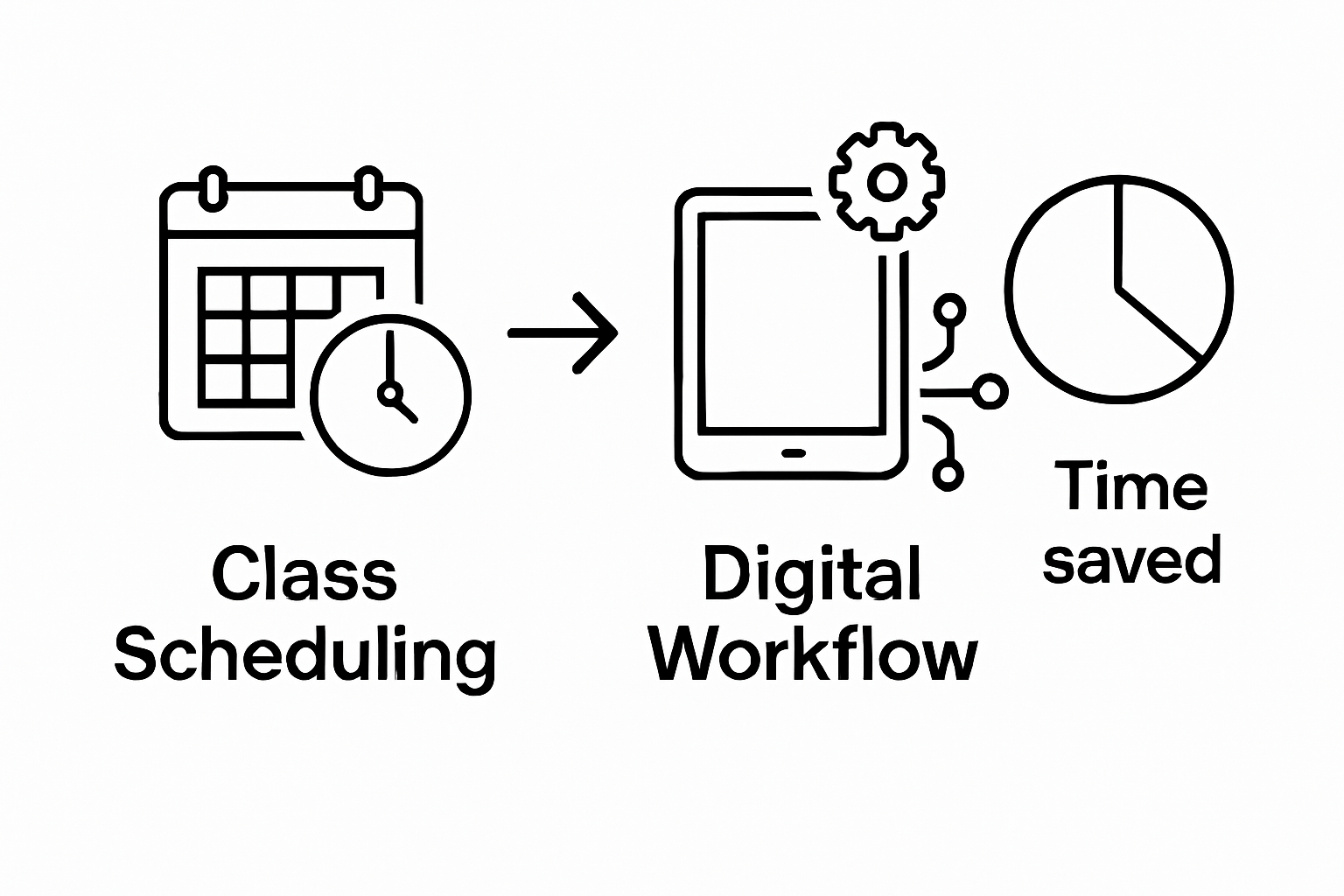
Key Components of Fitness Class Scheduling Systems

Fitness class scheduling systems are sophisticated technological solutions designed to streamline the complex process of managing class bookings, instructor assignments, and participant interactions. These systems represent a critical infrastructure for modern fitness businesses, enabling seamless operational management.

Technological Architecture and Core Functions

According to research on gym management software, effective scheduling systems integrate multiple technological components to create a comprehensive management platform. The technological architecture must be robust, scalable, and user-friendly.

Central technological components include:

  • Integrated booking and reservation modules
  • Real-time availability tracking
  • Automated communication systems
  • Secure payment processing interfaces
  • Client management databases

Advanced Feature Considerations

Beyond basic scheduling functionality, modern fitness class scheduling systems incorporate advanced features that enhance operational efficiency and client experience. These sophisticated elements transform scheduling from a simple administrative task into a strategic business tool.

Key advanced features encompass:

  • Machine learning-powered attendance prediction
  • Personalised class recommendation algorithms
  • Dynamic pricing and capacity management
  • Multi-platform accessibility
  • Comprehensive reporting and analytics

The integration of these components creates a powerful ecosystem that supports fitness professionals in managing their classes, optimising resource allocation, and delivering exceptional client experiences. By leveraging technology, instructors can focus more on delivering high-quality fitness instruction and less on administrative complexities.

This table outlines the principal features of fitness class scheduling systems, distinguishing foundational technological components from advanced system enhancements for clearer understanding.

Feature Category Description Example Features
Core Technological Components Essential functions for effective operation Integrated booking modules, real-time availability, secure payments
Client Management Tools for participant engagement and administration Communication systems, client databases
Advanced Capabilities Sophisticated features for improved outcomes Machine learning attendance prediction, dynamic pricing, reporting and analytics
Accessibility Ability for use across platforms and locations Multi-platform access, mobile compatibility

How Technology Enhances Class Scheduling Efficiency

Technology has revolutionised fitness class scheduling by transforming manual, time-consuming processes into streamlined, intelligent systems that optimise operational performance and user experience. Modern technological solutions provide fitness professionals with unprecedented capabilities to manage their classes more effectively.

Automated Scheduling Intelligence

According to research from PubMed, technological innovations are dramatically reducing scheduling complexity. Intelligent algorithms can now process scheduling requirements in mere seconds, replacing traditional manual methods that consumed significant administrative time.

Infographic comparing manual vs. digital fitness class scheduling

Key technological automation features include:

  • Real-time availability mapping
  • Automatic conflict resolution
  • Dynamic resource allocation
  • Predictive capacity planning
  • Instant participant notifications

Data-Driven Decision Making

Technology enables fitness professionals to leverage comprehensive data analytics, transforming scheduling from a reactive to a proactive process. Advanced systems analyse historical participation patterns, peak times, and individual preferences to generate optimised class schedules that maximise engagement and resource utilisation.

Critical data-driven capabilities encompass:

  • Attendance trend analysis
  • Participant behaviour prediction
  • Personalised class recommendations
  • Performance benchmarking
  • Revenue forecasting

By integrating sophisticated technological solutions, fitness businesses can create more responsive, efficient, and user-centric scheduling workflows. These systems not only simplify administrative tasks but also provide strategic insights that drive continuous improvement and business growth.

Adapting Scheduling Practices to Meet Client Needs

Adapting fitness class scheduling practices requires a nuanced understanding of diverse client requirements, preferences, and lifestyle constraints. The ability to create flexible, responsive scheduling strategies determines a fitness business’s capacity to attract and retain participants across different demographic segments.

Understanding Client Diversity

According to research from ACSM’s Health & Fitness Journal, successful scheduling is fundamentally about understanding client demographics and lifestyle patterns. Different client groups have unique scheduling preferences influenced by work commitments, personal responsibilities, and fitness goals.

Key demographic considerations include:

  • Professional working schedules
  • Family caregiving responsibilities
  • Age and fitness experience levels
  • Personal fitness objectives
  • Transportation and location constraints

Personalisation and Flexibility Strategies

Effective scheduling practices demand a sophisticated approach to personalisation that goes beyond traditional one-size-fits-all models. Modern fitness businesses must develop adaptive scheduling frameworks that accommodate individual client needs.

Critical personalisation strategies encompass:

  • Multiple class time options
  • Hybrid in-person and online class formats
  • Modular class durations
  • Sliding scale difficulty levels
  • Flexible booking and cancellation policies

By implementing client-centric scheduling approaches, fitness professionals can create more inclusive, accessible, and engaging fitness environments that respond dynamically to individual participant requirements. The goal is to transform scheduling from a logistical challenge into a strategic tool for client satisfaction and long-term engagement.

Ready to Transform Your Fitness Class Scheduling Workflow?

Are you tired of struggling with complex booking systems and administrative headaches? As discussed in “Understanding the Fitness Class Scheduling Workflow,” efficient class management and seamless scheduling are vital for both operational success and client satisfaction. Yet, many instructors and studios still grapple with issues like clunky booking processes, missed client communications, and scattered attendance tracking. You deserve a simpler, smarter approach that addresses these real challenges.

https://classta.co

Take control of your class scheduling and leave the chaos behind. Classta.co is designed for instructors and class providers who want to automate bookings, client reminders, secure payments, and even membership management in one place. Build your own branded booking page, gain instant access to real-time analytics, and delight your clients with easy-to-use features like QR code attendance and multi-currency support.

Visit Classta.co now and experience a tailored solution that turns administrative pain into growth opportunities. Start streamlining your workflow and see how smooth your class management can be.

Frequently Asked Questions

What is a fitness class scheduling workflow?

A fitness class scheduling workflow is a systematic approach to managing class bookings, attendance, and instructor assignments, ensuring operational efficiency for fitness professionals and studios.

Why is an effective scheduling workflow important for fitness businesses?

An effective scheduling workflow enhances operational efficiency, improves client satisfaction, and optimises resource allocation, which can lead to better business performance and client retention.

How can technology improve fitness class scheduling?

Technology automates scheduling processes, providing features like real-time availability tracking, dynamic resource allocation, and data analytics, which streamline workflows and enhance user experience.

What strategies can be used to adapt fitness class schedules to meet client needs?

Adapting schedules involves understanding client demographics and preferences, offering multiple class times, hybrid formats, and flexible booking options to accommodate diverse lifestyles.

7 Examples of Booking Systems for Fitness Instructors

Fitness instructors juggle packed schedules and endless client emails just to keep their days running smoothly. Nearly 70 percent of fitness professionals say that manual booking leads to hours of wasted time each week. Sounds chaotic, right? Yet relying on spreadsheets and sticky notes actually pushes clients away rather than keeping them organised. There is a sharper, smarter way to handle bookings that not only saves time but keeps both instructors and clients happier than ever.

Table of Contents

Quick Summary

Takeaway Explanation
Automate client scheduling tasks Using a booking system eliminates manual scheduling errors and saves valuable time.
Enhance client communication Automated confirmations and reminders improve client engagement and satisfaction.
Leverage performance analytics Insights from attendance and preferences help instructors make informed decisions.
Select features suited to your business Prioritise systems that offer flexibility and scalability based on your needs.
Implement gradually to ensure success A phased approach to system integration minimises disruptions and aids in adaptation.

1: Understanding the Importance of a Booking System

In the dynamic world of fitness instruction, managing client schedules efficiently can make or break your business success. A robust booking system transforms how fitness professionals handle their administrative tasks, providing a streamlined approach to managing appointments, class registrations, and client interactions.

According to SCORE’s Small Business Resource Centre, implementing scheduling software offers significant advantages for fitness instructors. These digital solutions prevent common scheduling challenges and create a professional experience for clients.

Key benefits of a comprehensive booking system include:

  • Automated Schedule Management: Eliminate manual scheduling conflicts and double bookings
  • Client Communication: Send instant confirmations, reminders, and updates
  • Time Efficiency: Reduce administrative overhead and focus more on training

Fitness instructors who adopt digital booking systems gain competitive advantages by presenting a modern, accessible service. Clients appreciate the convenience of online booking, which allows them to schedule sessions or classes at their convenience, 24/7. This accessibility can significantly enhance client satisfaction and retention rates.

Moreover, these systems provide valuable insights into business performance. Tracking class attendance, popular time slots, and client preferences helps instructors make data-driven decisions about their service offerings and scheduling strategies.

By investing in a reliable booking system, fitness professionals can create a seamless, professional experience that attracts and retains clients while simplifying their day-to-day operations.

Fitness instructors today have an array of digital booking systems designed to simplify scheduling, enhance client communication, and streamline business operations. Understanding the landscape of available platforms helps professionals select the most suitable solution for their unique needs.

According to Learn Business, modern booking systems provide comprehensive features that go beyond basic scheduling, offering robust management tools for fitness professionals.

Key characteristics of effective booking systems include:

  • Intuitive User Interface: Easy navigation for both instructors and clients
  • Multi-Platform Compatibility: Accessible through web and mobile devices
  • Integrated Payment Processing: Secure transaction capabilities
  • Automated Communication: Instant booking confirmations and reminders

Cloud-based solutions have revolutionized how fitness instructors manage their businesses. These platforms offer real-time synchronization across devices, ensuring that schedule updates are immediately reflected and accessible to clients.

Professional booking systems typically support various fitness disciplines, including yoga, pilates, group training, personal coaching, and specialized fitness classes. They accommodate different business models, whether you are an independent instructor or managing a multi-instructor studio.

The most advanced systems integrate additional features like client management databases, attendance tracking, performance analytics, and marketing tools. These comprehensive platforms help fitness professionals not just schedule classes, but also grow and optimize their businesses.

When evaluating booking systems, instructors should consider factors such as pricing, scalability, integration capabilities with existing tools, and specific features tailored to their particular fitness discipline and business size.

3: Features to Look for in a Booking System

Selecting the right booking system requires careful consideration of features that will enhance your fitness business operations and client experience. A comprehensive platform should offer more than basic scheduling functionality.

According to EMDUK’s Technology Guide, fitness professionals should evaluate systems based on multiple critical capabilities that streamline business management.

Crucial features fitness instructors should prioritize include:

  • Seamless Calendar Integration: Sync across multiple devices and platforms
  • Automated Client Communication: Instant booking confirmations and reminders
  • Secure Payment Processing: Multiple payment method support
  • Client Management Database: Track attendance and client history

Payment flexibility represents a significant factor in selecting a booking system. The ideal platform supports various payment methods, including credit cards, digital wallets, and recurring membership options. This versatility ensures clients can easily complete transactions while providing instructors with reliable revenue streams.

Advanced booking systems now incorporate intelligent analytics that help fitness professionals understand client behaviour. These tools track class attendance, identify popular time slots, monitor client retention, and provide insights for strategic business decisions.

Additionally, robust systems should offer customization options. Fitness instructors need platforms that can adapt to their specific discipline, whether teaching yoga, pilates, group fitness, or specialized training sessions. The ability to brand booking pages, set flexible pricing structures, and manage complex scheduling requirements differentiates exceptional booking systems from basic scheduling tools.

Ultimately, the right booking system acts as a comprehensive business management solution, transforming administrative tasks from challenging obstacles into streamlined, efficient processes that support business growth and enhance client satisfaction.

4: Benefits of Using Online Booking Systems

Online booking systems have transformed how fitness instructors manage their businesses, offering far more than simple scheduling tools. These digital platforms provide comprehensive solutions that enhance operational efficiency and client engagement.

According to SCORE’s Small Business Resource Centre, digital scheduling software offers significant advantages for fitness professionals by automating complex administrative tasks.

Key benefits of online booking systems include:

  • Time Savings: Dramatically reduce manual scheduling and administrative work
  • Enhanced Client Experience: 24/7 booking accessibility and instant confirmations
  • Professional Image: Present a modern, technology-enabled service
  • Reduced No-Shows: Automated reminders decrease missed appointments

Financial management becomes significantly more streamlined with digital booking platforms. These systems automatically track payments, generate invoices, and provide real-time financial reporting, helping instructors maintain clear and accurate financial records without extensive manual tracking.

For fitness professionals managing multiple class types or individual training sessions, online booking systems offer unprecedented flexibility. Instructors can easily set different pricing structures, manage class capacities, create membership packages, and adjust schedules in real-time.

Client relationship management represents another substantial benefit. Advanced booking systems store comprehensive client profiles, track attendance history, record individual preferences, and enable personalized communication strategies. This data-driven approach allows fitness instructors to build stronger, more targeted relationships with their clients.

Moreover, these platforms provide powerful analytics that offer insights into business performance. Instructors can understand peak booking times, popular class types, client retention rates, and revenue trends, enabling more informed strategic decision-making for business growth.

5: A Closer Look at Fitness-Specific Booking Systems

Fitness-specific booking systems represent a tailored technological solution designed to address the unique challenges and requirements of fitness professionals across various disciplines. These specialized platforms go beyond generic scheduling tools, offering comprehensive features that align precisely with the operational needs of fitness instructors.

According to Behavioral Health Research, specialized digital platforms can significantly enhance participant engagement and attendance in fitness programs.

Unique characteristics of fitness-specific booking systems include:

  • Discipline-Specific Customization: Tailored interfaces for yoga, pilates, group training
  • Client Health Tracking: Advanced profile management and progress monitoring
  • Specialized Scheduling: Complex class and training session management
  • Performance Analytics: Detailed insights into client and business performance

Discipline-Specific Features distinguish these systems from generic booking platforms. For instance, yoga instructors can manage class types, skill levels, and equipment requirements, while personal trainers can track client fitness goals and create customized training packages.

The most advanced fitness booking systems integrate comprehensive client management tools. These platforms allow instructors to store detailed client profiles, track attendance history, monitor individual progress, and create personalized communication strategies.

Financial management represents another critical aspect of fitness-specific booking systems. These platforms support multiple pricing structures, membership tiers, package deals, and recurring billing options. Instructors can easily manage complex financial arrangements, from drop-in class pricing to long-term membership subscriptions.

Moreover, these systems often include marketing and engagement tools specifically designed for fitness businesses. Automated email campaigns, social media integration, and client retention strategies help instructors grow their businesses and maintain strong client relationships.

6: How to Choose the Right Booking System for Your Needs

Selecting the perfect booking system requires careful evaluation of your specific business requirements, operational complexity, and long-term growth objectives. Professional fitness instructors must approach this decision strategically to ensure maximum efficiency and client satisfaction.

According to Princeton University’s Bookings Guide, choosing the right system involves comprehensive assessment of multiple critical factors.

Key considerations when selecting a booking system include:

  • Business Scale: Match system capabilities with current and projected business size
  • Budget Constraints: Evaluate pricing structures and potential return on investment
  • Technical Compatibility: Ensure seamless integration with existing tools
  • Scalability: Select platforms that can grow with your business

Pricing models represent a crucial decision point for fitness professionals. Some systems offer tiered pricing based on features, while others provide flat-rate subscriptions. Understanding your budget and required functionalities helps narrow down potential solutions.

Technical considerations extend beyond basic features. Robust integration capabilities allow fitness instructors to connect booking platforms with accounting software, customer relationship management tools, and marketing platforms. This interconnectedness creates a more streamlined business ecosystem.

Professional fitness instructors should prioritize systems offering comprehensive support. Look for platforms providing responsive customer service, extensive training resources, and regular software updates. These elements ensure you can effectively utilize the booking system and adapt to evolving technological landscapes.

Ultimately, the ideal booking system should feel like a natural extension of your business operations. It must simplify administrative tasks, enhance client interactions, and provide actionable insights that support strategic decision-making. Take time to test multiple platforms, request demonstrations, and read user reviews before making a final commitment.

7: Tips for Integrating Booking Systems into Your Business

Successful integration of a booking system requires strategic planning and a systematic approach to ensure seamless adoption and maximum operational efficiency. Fitness professionals must view this process as a comprehensive business transformation rather than a simple technological upgrade.

According to SCORE’s Small Business Resource Centre, effective implementation of digital scheduling tools demands careful consideration and methodical execution.

Critical steps for successful booking system integration include:

  • Staff Training: Conduct comprehensive onboarding and provide continuous learning opportunities
  • Gradual Implementation: Transition in phases to minimise disruption
  • Client Communication: Transparently explain new booking processes
  • Regular System Evaluation: Continuously assess and refine system performance

Data migration represents a crucial aspect of system integration. Fitness instructors must carefully transfer existing client information, ensuring data integrity and maintaining comprehensive client histories. This process involves backing up current records, verifying data accuracy, and establishing secure transfer protocols.

Customization plays a significant role in successful booking system adoption. Personalizing the platform to reflect your brand’s unique identity helps create a cohesive client experience. This might involve customizing booking page designs, setting specific business rules, and tailoring communication templates to match your professional aesthetic.

Technical compatibility demands careful consideration. Ensure your new booking system integrates smoothly with existing tools such as payment processors, email marketing platforms, and accounting software. This interconnectedness creates a more efficient operational ecosystem.

Finally, maintain flexibility and openness to adaptation. Technology evolves rapidly, and the most successful fitness professionals remain agile, continuously learning and optimizing their digital management strategies.

The table below offers a comprehensive summary of the key points, benefits, and considerations from the article on booking systems for fitness instructors.

Section Key Points & Benefits Practical Outcomes
Importance of Booking Systems Automates scheduling, reduces manual errors, improves professionalism, enables performance tracking Saves time, increases client satisfaction and retention, supports data-driven decisions
Overview of Popular Booking Systems Intuitive interfaces, device compatibility, payment integration, automated communication, supports various fitness disciplines Streamlined scheduling, easier payment processing, improved client engagement
Features to Look For Calendar sync, automated reminders, secure payments, client database, payment flexibility, analytics, discipline-specific options Enhanced business management, easy transaction handling, opportunities for customisation
Benefits of Online Booking Time saving, 24/7 booking, reduced no-shows, streamlined financial management, flexible pricing and scheduling, data insights Professional brand, higher retention, accurate records, increased operational efficiency
Fitness-Specific Booking Systems Customisable for disciplines, client health/progress tracking, complex class management, integrated marketing/engagement tools Personalised service, robust financial control, targeted communication, business growth tools
How to Choose the Right System Assess business scale, budget, technical compatibility, scalability, integration, and level of customer support Match system to your needs, investment alignment, effective ecosystem integration
Tips for Integration Staff training, phased implementation, clear communication, regular evaluation, secure data migration, customisation for brand Smoother adoption, minimal disruption, maintains data integrity, consistent client experience

Unleash Your Studio’s Potential with an All-in-One Booking Solution

Many fitness instructors are overwhelmed by juggling schedules, chasing client payments and managing class attendance. As you explored in “7 Examples of Booking Systems for Fitness Instructors,” the right system should save you hours, eliminate double bookings and help you build stronger relationships with your clients. If manual admin and inconsistent client experiences are holding back your business, it is time for a smarter solution tailored to fitness professionals who need seamless automation and scalability.

Discover how Classta.co elevates your fitness business with tools designed specifically for yoga, pilates, dance and group instructors. Instantly create a branded booking page, automate reminders, and manage memberships with recurring billing, all without the hassle of technical setup.

https://classta.co

Stop letting clunky systems drain your time. See how easy it is to streamline your class bookings, payment processing and attendance with Classta’s all-in-one platform. Start your transformation today and enjoy more time for your clients and your growth.

Frequently Asked Questions

What are the benefits of using a booking system for fitness instructors?

Using a booking system streamlines administrative tasks, enhances client communication, automates scheduling, and provides valuable insights into business performance, ultimately improving client retention and satisfaction.

What features should I look for in a booking system for fitness?

Key features include seamless calendar integration, automated client communication, secure payment processing, and robust client management databases that help track attendance and client history.

How can I choose the right booking system for my fitness business?

Consider factors such as your business scale, budget constraints, technical compatibility, and the scalability of the system to ensure it meets your current and future needs.

What are fitness-specific booking systems?

Fitness-specific booking systems are tailored platforms designed to address the unique challenges faced by fitness professionals, offering discipline-specific customisation, client health tracking, and specialised scheduling tools.